Overwintering Lemongrass in Pots With Limited Indoor Space
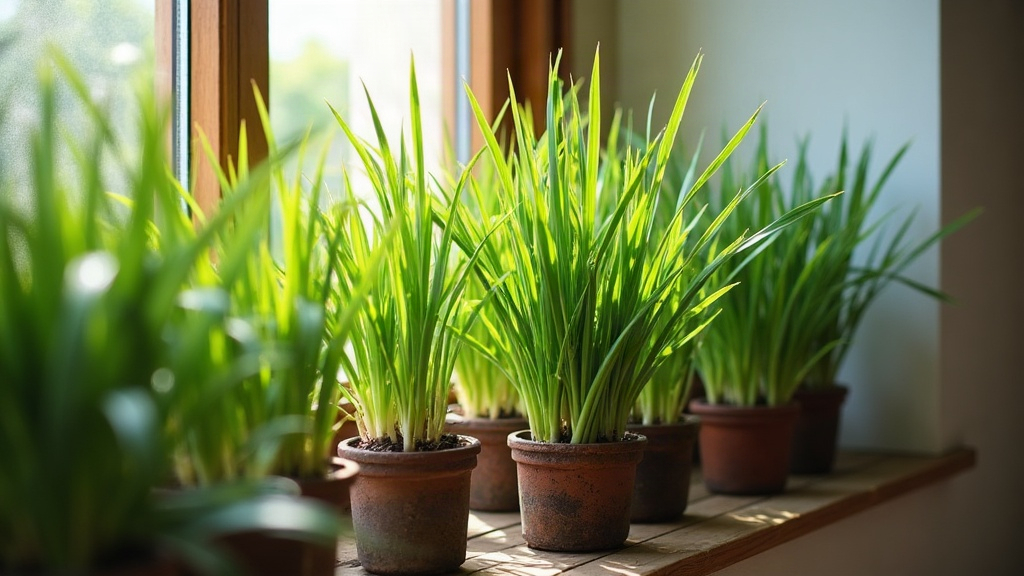
Overwintering Lemongrass in Pots (Even With Almost No Space)
Overwintering lemongrass in pots is entirely possible even in a small apartment, as long as you shrink the plant down before bringing it inside, force it into a low-energy dormant state, and give it the smallest footprint that still keeps it alive until spring. You don’t need a sunny indoor jungle. What you need is a plan that treats lemongrass like a bulb you’re storing, not a houseplant you’re showing off on a shelf.
Why Lemongrass Struggles Indoors
Lemongrass (Cymbopogon citratus) is a tropical grass. It wants full sun, heat, and humidity, conditions almost no apartment can fake in January. Try to keep a full-sized clump actively growing on a windowsill and you’ll usually end up with something leggy, pale, and crawling with spider mites within a month. So forget “lush.” The real goal when space is tight is simply to keep the root mass alive through winter on as little light and room as possible.
Step 1: Cut the Plant Down Before Moving It Inside
Before the first hard frost (below 40°F / 4°C), bring the pot in or dig the clump up from the ground.
- Trim all blades down to 2-3 inches above the base. This alone removes about 80% of the plant’s bulk.
- Pull off any yellow, damaged, or diseased leaves. They won’t come back, they’ll just rot in place and take up space.
- Rinse the root ball gently and check the sheaths for aphids or mites before anything comes through your door.
This one step solves most of the “I have no room” problem. A cut-back clump will fit into something the size of a large coffee can.
Step 2: Choose a Compact Storage Method
Three realistic options, depending on what space you’ve actually got:
1. Small pot, cool spot (best if you have any floor or shelf space) Repot the trimmed clump into the smallest container the roots will tolerate, usually a 6-8 inch pot. Tuck it somewhere cool (50-60°F / 10-15°C) and dim: an unheated hallway, a garage corner, a cool windowsill nobody uses. Water sparingly, just enough so the soil never goes bone dry.
2. Bare-root bag storage (best for near-zero space) Dig the clump up, shake off most of the soil, trim the roots back to about 4 inches. Wrap the root ball loosely in slightly damp newspaper or a paper bag, then box it and store in a cool, dark closet or basement corner, the same way you’d store dahlia tubers. Check once a month for mold, or for the opposite problem, complete drying out.
3. Divide into smaller sections Lemongrass clumps throw off offshoots naturally. Before winter hits, split the clump into 2-3 smaller sections. One small piece can overwinter happily in a 4-inch pot on a windowsill shelf. Give away or compost the rest. You’ll cut your storage volume down dramatically compared to babysitting one giant clump all winter.
Light and Water Needs During Dormancy
During dormant storage, lemongrass isn’t asking for bright light. A north-facing window, or even a dim closet, is fine as long as the plant isn’t trying to actively grow.
- Water: Keep the soil barely moist, roughly once every 2-3 weeks. In cool, low-light conditions, overwatering kills faster than underwatering ever will.
- Light: Bagged and stored dark? No light needed at all. Potted and visible? A few hours of indirect light a day keeps it from turning into a pale, stretched-out mess.
- Temperature: Aim for 50-60°F (10-15°C). Warmer rooms trick the plant into weak active growth it can’t actually sustain without real light, and that’s how you end up with sad, stringy shoots by February.
Signs Your Overwintered Lemongrass Is Healthy
- Firm, white-to-pale-green base, no mushy or black spots
- A faint lemongrass scent when you scratch the stalk with a fingernail
- A little root activity, not none, a few new white root tips are actually a good sign
Seeing soft, slimy, or foul-smelling tissue? Cut it away right away and ease off on watering, or the rot will spread through the whole clump before you know it.
Reviving Lemongrass in Spring
About 4-6 weeks before your last frost date:
- Move the pot somewhere warmer (65-75°F / 18-24°C) with more light.
- Increase watering gradually as new green shoots start pushing up from the base.
- Bare-root stored plants go into fresh potting mix as soon as you spot root or shoot activity.
- Once outdoor nights stay reliably above 50°F (10°C), harden it off over a week before it moves back outside for good.
Quick Troubleshooting
- No regrowth by late spring: The clump probably rotted or dried out completely. Check the base, if it’s hollow or mushy, cut your losses and start with a fresh plant.
- Mold on bagged roots: Unwrap it, let it air-dry for a few hours, then re-wrap with drier paper.
- Weak, stretched growth indoors: Move it to the coolest spot you’ve got to slow things down until spring is closer. Don’t fight it by trying to grow it actively all winter, that’s a losing battle without proper light.
Conclusion
Overwintering lemongrass with limited indoor space really comes down to one idea: shrink the plant first, then store it as a near-dormant root mass rather than treat it like a living-room houseplant. Cut it back hard, pick either a small cool-spot pot or bare-root bag storage, keep watering to a minimum, and bring it back to life slowly once spring arrives. Do that, and a single closet shelf is genuinely enough space to carry your lemongrass through the cold months and back out onto the balcony next season.