Growing Perennial Kale in Deep Pots: A Low-Maintenance Balcony Crop
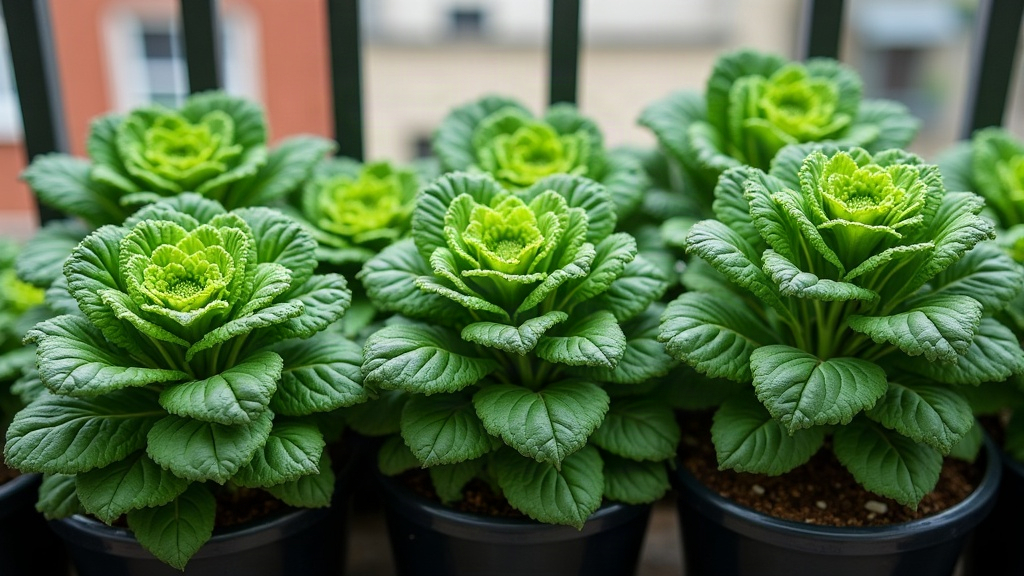
If you want a balcony crop that keeps producing for years instead of just one season, growing perennial kale in deep pots is one of the smartest low-maintenance choices you can make. Unlike annual kale varieties that you sow, harvest, and pull out every year, perennial kale (think Daubenton’s kale or tree collards) can live for 3-5+ years in the right container. It shrugs off mild winters and comes roaring back each spring, with far less replanting, watering stress, or fertilizing hassle than you’d expect.
Why Perennial Kale Suits Balcony Growing
Perennial kale doesn’t bother setting seed the way annual kale does. That means its energy goes almost entirely into leaf growth instead of flowering and seed production. In practice, that gets you:
- Continuous harvests, picking leaves nearly year-round in mild climates
- No annual re-sowing, plant once, harvest for years
- Deep, stable root systems that tolerate irregular watering far better than shallow-rooted annuals
- Resilience to light frost, making it one of the few leafy greens that’ll survive a balcony winter outdoors
Because it’s a long-term resident rather than a seasonal guest, kale rewards you for investing a bit more effort upfront, the right pot, decent soil, then asking for very little afterward.
Choosing the Right Deep Pot
Perennial kale builds a substantial woody root crown and taproot over time, so container size actually matters here, unlike with fast annual greens you pull after eight weeks.
Minimum Pot Specifications
- Depth: at least 16-18 inches (40-45 cm). Shallow pots stunt the roots and the whole plant topples in wind
- Width: 14-16 inches (35-40 cm) diameter for a single plant
- Drainage: multiple holes, raised on pot feet so it doesn’t sit waterlogged after heavy rain
- Material: thick plastic, wood, or glazed ceramic insulate roots much better than thin terracotta, which dries out fast and cracks the first hard freeze
One big pot beats three small ones, hands down. It buffers temperature swings, holds moisture longer, and gives the roots room to actually mature over several seasons instead of hitting a wall of plastic six months in.
Soil and Feeding for the Long Haul
Since this plant is staying put for years, soil quality is really your biggest lever for keeping maintenance low.
- Use a loam-based potting mix amended with 20-30% compost for lasting fertility
- Add a layer of coarse grit or perlite at the base for drainage that doesn’t strip out nutrients
- Top-dress with 1-2 inches of fresh compost every spring instead of repotting. That one step alone covers most of the plant’s yearly nutrient needs
- Supplement with a balanced liquid feed (seaweed extract works well) once a month during active growth in spring and fall
Kale is a hungry nitrogen feeder, so if the lower leaves start yellowing, that’s usually a sign it needs that monthly feed, not more water.
Watering: Less Frequent Than You Think
Deep pots with mature roots don’t demand daily attention the way a shallow herb pot does.
- Water deeply but infrequently. Let the top 2 inches of soil dry out between waterings
- During a hot summer stretch that might mean every 2-3 days; in cool spring or fall, once a week is often plenty
- Mulch the surface with straw or bark chips to cut evaporation and stretch the gap between waterings even further
This is really where perennial kale earns its “low-maintenance” reputation. Once it’s established, it shrugs off the kind of inconsistent watering schedule that wrecks other balcony crops when you’re away for a weekend or just forget.
Harvesting Without Killing the Plant
The trick to years of production comes down to one rule: never strip the whole plant.
- Harvest only the lower, outer leaves, leaving the top rosette and growing point untouched
- Take no more than a third of the leaves at any one time
- Light, regular picking actually pushes the plant to produce more side shoots over time
Treat it like a cut-and-come-again herb, not a one-shot harvest vegetable, and a single plant can keep you in a steady handful of leaves every week for years.
Overwintering on the Balcony
Most perennial kale varieties handle temperatures down to 14-20°F (-10 to -6°C), but roots stuck in a container are far more exposed than roots sitting in open ground.
- Wrap the pot itself (not the plant) in bubble wrap, burlap, or a pot cosy before the first hard frost
- Push the pot against a wall or into a sheltered corner to cut the wind chill
- Cut back watering a lot in winter. The plant goes semi-dormant, and root rot is the real danger here, not the cold
- Don’t prune in late fall. Leave the extra foliage on for insulation and tidy things up in early spring instead
If you’re gardening below zone 7, a wheeled pot caddy is worth the ten bucks. It lets you roll the container into an unheated stairwell or garage during the single worst week of winter.
Common Problems and Quick Fixes
- Leggy, bare stems: pretty normal as the plant ages. Stake it, or drop it into a slightly bigger pot and mound soil around the base to coax new roots
- Aphids clustering on new growth: blast them off with a hose or hit them with insecticidal soap weekly until they’re gone
- Slow growth in summer heat: kale prefers it cool, so a little afternoon shade keeps it chugging through the hottest weeks
Conclusion
Growing perennial kale in deep pots gives a busy balcony gardener exactly what they’re after: plant it once, harvest it for years, with watering and feeding demands way lighter than most vegetable containers ask for. Put the effort in upfront, a generously deep pot, good soil, a once-a-year compost top-dress, and this tough little green will keep handing you fresh leaves almost every month of the year. Frost included.