Growing Dwarf Chamomile in Small Pots for Tea and Bees
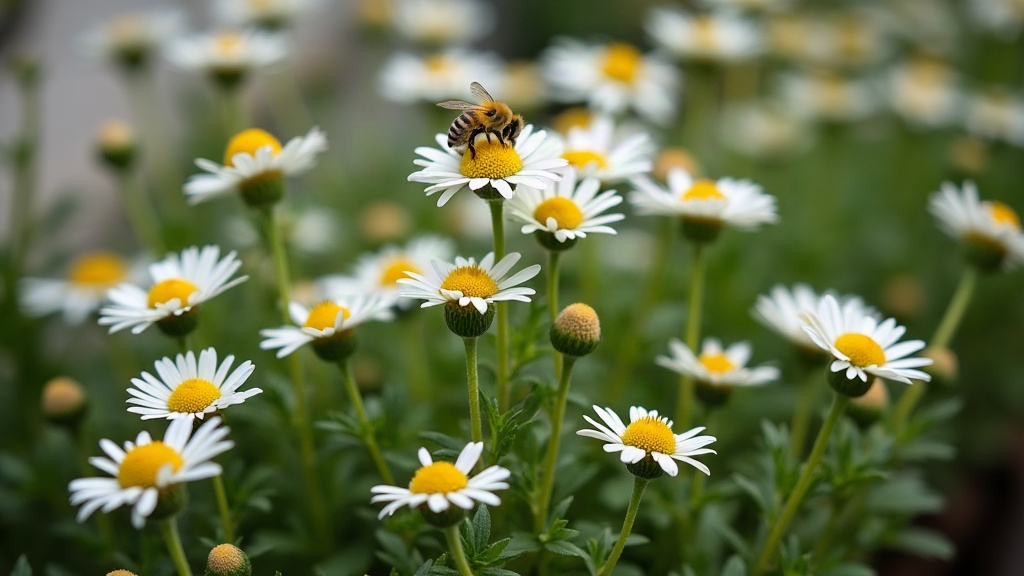
Dwarf Chamomile for Balconies: Small Pots, Steady Tea, Happy Pollinators
Dwarf chamomile (often sold as Chamaemelum nobile ‘Treneague’ or compact Matricaria recutita varieties) might be the single best herb for anyone working with a tight balcony footprint. It’s forgiving in shallow pots, shrugs off heat, doesn’t sulk if you forget to water it for a day, and gives you actual flowers you can dry for tea. On top of that, it pulls in bees, hoverflies, and parasitic wasps, the kind of insects that quietly handle your aphid problem before it becomes a problem. Give it a sunny rail or a couple of containers in spring, and by midsummer you’ll have enough dried flowers stashed away for a regular cup of homegrown tea.
Why Dwarf Chamomile Works So Well in Pots
Most herbs either sprawl sideways or send roots down deep enough that they sulk in anything shallower than a large tub. Chamomile doesn’t do either. It stays short, typically 4 to 8 inches, and spreads out horizontally instead, which makes it a natural fit for:
- Window boxes and rail planters
- Shallow bowl pots (6 to 8 inches deep is plenty)
- Mixed containers next to lavender, thyme, or marigolds
The foliage is fine and feathery, almost fern-like, and the apple-scented flowers add a decorative touch too. It’s not just a utility plant hiding in the back of a pot. It earns its spot visually.
Choosing the Right Variety
People use “chamomile” loosely, but there are really two distinct plants behind the name, and they don’t behave the same way:
- Roman chamomile (Chamaemelum nobile): a perennial that stays low and forms a dense, carpet-like mat. The ‘Treneague’ cultivar is actually non-flowering (it’s bred as groundcover), so if you want blooms for tea, look for a flowering form instead.
- German chamomile (Matricaria recutita): an annual, a bit taller but still compact in dwarf cultivars. It reseeds itself readily and is the variety most people associate with tea, thanks to a sweeter, more floral flavor.
If your goal is a steady tea supply, German chamomile is almost always the smarter choice. It flowers heavily over a long stretch of the season and will often reseed itself for next year without you lifting a finger.
Planting Setup
Pot and Soil
- Pick a pot at least 6 inches deep with real drainage holes, not just a token slit.
- Use a light, fast-draining mix: regular potting soil cut with 20 to 30% perlite or coarse sand.
- Skip the rich, compost-heavy soil. Oddly enough, chamomile produces more fragrant flowers when it’s grown a little lean and hungry.
Sun and Position
- Aim for 5 to 6-plus hours of direct sun a day. South or west-facing balconies work best.
- In really hot regions, a bit of afternoon shade actually helps, it keeps the soil from flash-drying and can stretch out the bloom period by weeks.
Sowing or Transplanting
- Scatter seeds on the soil surface and leave them uncovered. They need light to germinate, so burying them is a common rookie mistake.
- Keep the surface lightly moist until germination, which usually takes 7 to 14 days.
- Once seedlings show true leaves, thin them to roughly 3 to 4 inches apart.
Watering and Feeding
Once chamomile is established, it handles drought reasonably well. Young plants are a different story and want more consistent moisture.
- Water once the top inch of soil has dried out. Soggy roots are the real killer here, not underwatering.
- Containers dry out noticeably faster than garden beds, so during a heat wave, check the soil daily, not every few days.
- Go easy on fertilizer. One diluted dose of balanced liquid feed at planting time is usually all it needs. Overfeeding actually dulls the fragrance and lowers the oil content in the flowers, which is the opposite of what you want for tea.
Harvesting for Tea
- Pick the flowers right as the white petals start folding back from the yellow center. That’s the window of peak oil concentration, not too early, not past its best.
- Harvest in the morning, after the dew has dried off but before the heat of the day builds up. That’s when the essential oils are strongest.
- Dry the flowers on a screen or paper towel somewhere shaded and airy for 5 to 7 days, until they feel papery and crisp.
- Store them in an airtight jar, kept out of direct light. Dried properly, chamomile holds its flavor for up to a year.
One 8-inch pot, during peak bloom, can give you a small handful of dried flowers every week or two, enough for a cup or two of tea on a regular basis.
Attracting Beneficial Insects
Those open, daisy-like flowers are basically an insect magnet, and that’s a feature, not a side effect:
- Bees and hoverflies show up to feed and end up pollinating everything else on your balcony too, tomatoes, peppers, squash blossoms, whatever else you’re growing.
- Parasitic mini-wasps and lacewings are drawn in as well, and they prey on aphids and small caterpillars. Essentially free pest control for the herbs and vegetables growing nearby.
A few ways to get the most out of this:
- Leave a handful of flowers unpicked at all times so there’s always something in bloom.
- Keep pesticides, even the “organic” ones, away from flowering chamomile. They don’t discriminate between pests and the pollinators you’re trying to attract.
- Pair it with other pollinator favorites like alyssum or dwarf marigolds to build a small insect-friendly corner on your balcony.
Common Problems
- Leggy growth: almost always a light issue. Move the pot somewhere sunnier.
- Powdery mildew: improve airflow between your pots and water at the soil level instead of splashing the foliage.
- Few flowers: usually traced back to soil that’s too rich or too much fertilizer. Back off and let the plant go a little lean.
Conclusion
Dwarf chamomile checks nearly every box for balcony gardening: it fits in the smallest pot you own, flowers generously, dries easily into a genuinely good tea, and does real work attracting the bees and beneficial insects your other container plants rely on. Give it a sunny spot, lean soil, and a bit of regular watering, and one modest pot can keep you stocked with homegrown tea, and a noticeably healthier little ecosystem on your balcony, all season.