Growing Dwarf Cardamom in Indoor Containers for Fragrant Leaves
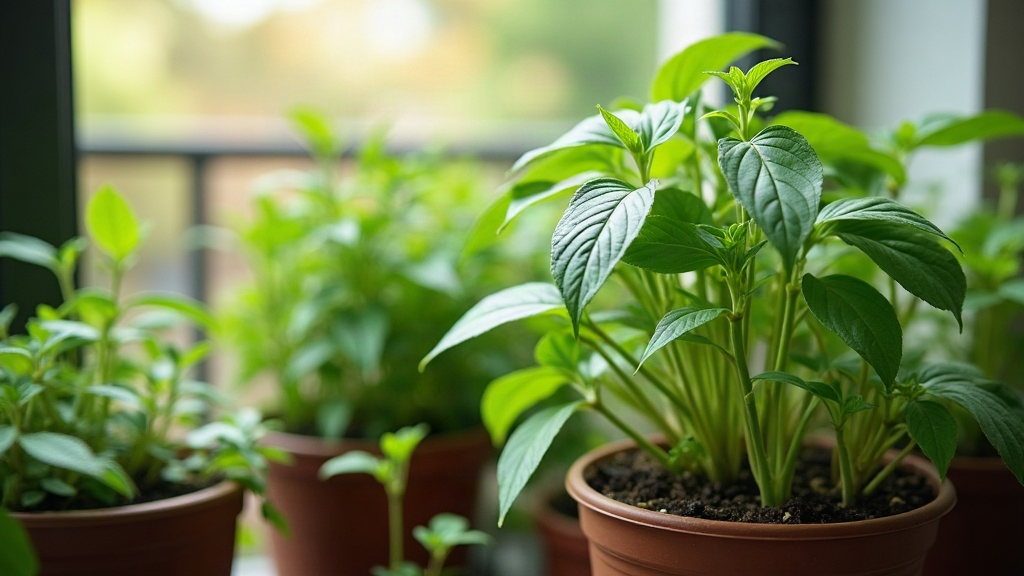
Growing dwarf cardamom (Elettaria cardamomum dwarf cultivars, or the related Alpinia varieties sold under the same name) in a container is one of those small indoor projects that pays off far more than the effort involved. No greenhouse, no dedicated garden bed. Just a pot, decent light, and enough humidity to keep this ginger-family plant happy. Brush against the leaves and you get that warm, sweet-spicy scent instantly. It’s a nice surprise for guests who don’t expect a houseplant to smell like a spice rack.
Why Grow Dwarf Cardamom Indoors
Full-size cardamom can shoot up 6 to 10 feet, which rules it out for most homes. Dwarf types stay compact, usually 18 to 36 inches, so they actually fit on a windowsill or in the corner of a covered patio. People grow them for a few reasons:
- Fragrant foliage — crush a leaf and it smells like a fresh cardamom pod. Better than any plug-in air freshener.
- Ornamental value — the glossy, arching, deep-green leaves give a room a jungle-corner feel without needing a dozen plants.
- Culinary curiosity — some growers use the leaves to wrap food or steep them in rice and broths for flavor. Don’t expect actual cardamom pods indoors, though. That’s rare.
Choosing the Right Container
Cardamom’s rhizome system spreads sideways more than it digs down, so shape beats depth when picking a pot.
- Width over depth: go at least 12 to 14 inches wide, with only 10 to 12 inches of depth. A tall, narrow pot is the wrong shape for this plant.
- Drainage is essential: soggy roots are basically a death sentence here. Terracotta works well, or any pot with several drainage holes.
- Room to divide: rhizomes push outward as they grow, so plan on repotting or dividing every 2 to 3 years into something a size bigger.
Soil and Potting Mix
Think tropical forest floor: loose, airy, rich in organic matter.
- 2 parts high-quality potting soil
- 1 part coarse perlite or pumice for drainage
- 1 part compost or well-rotted leaf mold
Aim for slightly acidic to neutral soil, pH 5.5 to 6.5. Stay away from dense, clay-heavy mixes. They hold water right against the rhizome, and that’s how rot starts.
Light Requirements
In its native habitat, dwarf cardamom grows under a forest canopy, not out in open sun. So bright, indirect light is what it wants.
- East-facing windows are close to ideal.
- South or west windows work too, but filter the light with a sheer curtain first.
- Too much direct sun scorches leaf edges and turns them yellow-brown within days.
- Too little light and you’ll get leggy, thin growth with barely any scent when you crush a leaf.
Humidity and Watering
If there’s one factor that makes or breaks this plant indoors, it’s humidity. It evolved in a humid rainforest understory, after all.
- Humidity target: 50 to 70%. A pebble tray with water under the pot helps, or a small humidifier, or just grouping it with other tropical plants so they raise the local humidity together.
- Watering: keep the soil evenly moist, never soggy. Check the top inch of soil; water once it feels dry there.
- Signs of underwatering: crispy, browned leaf tips.
- Signs of overwatering: yellowing lower leaves, plus a musty smell coming from the pot. That smell alone should tell you to back off watering.
Temperature and Placement
This plant likes steady warmth, not swings.
- Ideal range: 65 to 85°F (18 to 29°C)
- Keep it away from cold drafts near doors or single-pane windows in winter.
- Don’t place it near heating vents either. Forced air dries things out fast, and that undoes all your humidity work.
Feeding for Fragrant, Healthy Leaves
Feed once a month in spring and summer with a diluted, balanced liquid fertilizer (something like 10-10-10). Cut back in fall and winter, when the plant naturally slows down. Overdo the fertilizer and you’ll get soft, watery growth that smells weaker, not stronger. More feeding isn’t always more fragrance.
Common Problems and Fixes
- Spider mites: these love dry indoor air. Raise the humidity and give the leaves a wipe-down now and then to keep them off.
- Leaf yellowing: usually overwatering or too little light. Rule those two out before you start guessing about nutrients.
- Slow growth: nine times out of ten it’s a light or humidity problem, not a soil problem.
Repotting and Propagation
Every 2 to 3 years, divide the rhizome clumps in spring. Any division with decent roots and at least one shoot can become its own plant. Handy if a friend admires the scent and wants a start of their own.
Final Thoughts
Bring dwarf cardamom indoors and you get real tropical fragrance and lush green leaves without needing a greenhouse. It really comes down to three things: bright indirect light, humidity in that 50 to 70% range, and soil that’s moist but never waterlogged. Nail those, and the plant rewards you with fragrant, healthy foliage all year round.