Low-Light Plants for North-Facing Balconies in Humid Climates
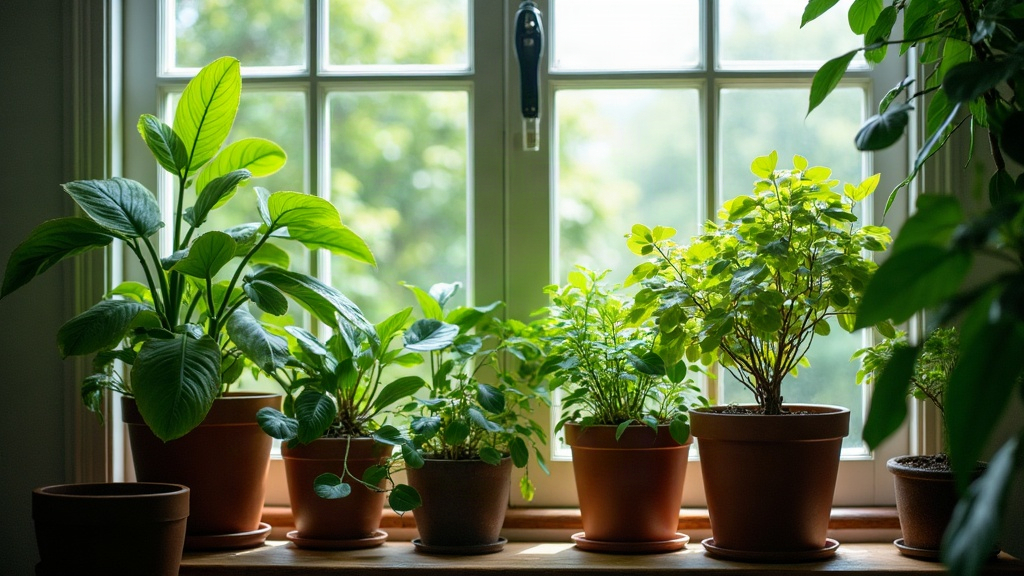
A north-facing balcony gets soft, indirect light and almost no direct sun, and if your climate is humid on top of that, the air stays thick with moisture most of the day. Most gardeners see this combo and panic. Don’t. It’s actually one of the easier setups to work with, as long as you pick plants that were basically built for it. The best low-light plants for north-facing balconies in humid climates are shade-loving tropicals and ferns, the same species that would scorch or rot under full sun somewhere else. Below we’ll walk through what these conditions really mean, which plants thrive in them, and how to keep everything alive and looking good—though if wind exposure is also a concern, you may want to explore windproofing your balcony garden before planting.
Understanding a North-Facing Balcony’s Light
If you’re in the northern hemisphere, a north-facing balcony sees no direct sun for the vast majority of the day. What light you do get is diffuse, bounced off nearby walls, and noticeably weaker than what a south- or west-facing space receives. In practical terms it breaks down like this:
- Bright shade only really exists right at the railing’s edge.
- Medium shade covers most of the floor space and walls.
- Deep shade sits in the corners and right against the building.
Anything labeled “full sun” is going to stretch toward the light, fade, and eventually stop flowering here. Skip those. Go for species that evolved on rainforest floors or under forest canopy, plants that photosynthesize efficiently in low light and actually prefer humid air.
Why Humidity Changes Everything
Humidity cuts both ways. On the upside, it keeps tropical foliage lush, prevents that crispy brown leaf-edge look, and slows down how fast soil dries out, which means you’ll water less often than you’d expect. On the downside, it raises the odds of fungal issues creeping in:
- Powdery mildew on dense, crowded foliage.
- Root rot in pots that don’t drain properly.
- Fungus gnats breeding in soil that never quite dries.
None of this means you should avoid humidity-loving plants. It just means pairing them with good airflow and sharp drainage. A cheap oscillating fan running a few hours a day, or simply leaving a hand’s width of space between pots, solves most of the problem.
Best Low-Light Plants for Humid Balconies
Ferns — The Obvious Winners
Ferns are, hands down, the best family for a shaded, humid balcony. They want zero direct sun and genuinely enjoy moist air, which is more than you can say for most houseplants.
- Boston fern (Nephrolepis exaltata): lush and cascading, looks great in a hanging basket where it can spill over the edge.
- Bird’s nest fern (Asplenium nidus): broad, glossy fronds, handles medium shade without complaint.
- Maidenhair fern (Adiantum): a bit fussier, but once humidity sits above 50% it rewards you with delicate, almost lacy growth.
Calatheas and Prayer Plants
Calathea, Maranta, and Stromanthe are famous for their painted, patterned leaves, and equally famous for sulking the moment the air gets dry. That makes a humid balcony pretty much their ideal home. Keep them out of direct sun and the leaf colors stay vivid instead of bleaching out into a dull green.
Philodendrons and Pothos
- Heartleaf philodendron (Philodendron hederaceum) and pothos (Epipremnum aureum) are close to indestructible. They’ll trail or climb happily in low light, tolerate high humidity without fuss, and forgive you if you forget to water for a week.
Begonias for Color Without Sun
Most flowering plants need sun to put on a show, but rex begonias and cane begonias get their color from foliage rather than blooms. In humid shade they fill out thick and richly patterned, right where a sun-loving flower would just refuse to open.
Sturdy, Unkillable Options
- Chinese evergreen (Aglaonema): handles deep shade with ease, and comes in silver, pink, and red varieties if you want a bit of color.
- Cast iron plant (Aspidistra elatior): lives up to its name, survives almost anything including the occasional dry spell.
- Peace lily (Spathiphyllum): one of very few plants that will actually bloom for you in low light.
- ZZ plant and snake plant: fine with low light and normal (not tropical-extreme) humidity, and need barely any attention at all.
A Note on Monstera
Monstera deliciosa really prefers bright indirect light plus humidity, but it can survive medium shade on a north-facing balcony. It just grows slower, with somewhat smaller leaves. Put it closest to the railing, wherever the light is strongest, and it’ll do fine.
Care Tips for Shade + Humidity
Stick to these and your balcony stays a garden, not a fungus farm:
- Use a chunky, fast-draining mix. Mix perlite, orchid bark, or coarse sand into regular potting soil so roots get air, not swamp.
- Always use pots with drainage holes. Never let a decorative outer pot sit there holding water, that’s basically asking for root rot.
- Water less than you think you should. Stick a finger into the top 2-3 cm of soil. Dry? Water it. Damp? Leave it alone for another day or two.
- Maximize airflow. Give plants breathing room, prune back dense growth, and run a small fan on still, muggy days.
- Wipe leaves once a month. Dust blocks what little light actually reaches the leaf surface, and a damp cloth wipe-down catches early pest problems before they spread.
- Feed lightly. A diluted balanced fertilizer every 4-6 weeks, growing season only. Shade plants grow slowly, so excess nutrients build up faster than you’d think and can burn the roots.
Common Mistakes to Avoid
- Fighting the shade with sun-loving plants. They won’t adapt. They’ll just decline, slowly, no matter what you do.
- Overwatering because the air feels humid. Soil can stay wet for days in these conditions, and that’s exactly when root rot sets in.
- Crowding pots against the back wall. That’s the darkest, least ventilated spot on the whole balcony, the worst possible place to put anything.
- Trusting the “low-light” label on heavily variegated plants. A cultivar with lots of white or pink variegation usually needs more light than its solid-green cousin, not less.
Conclusion
A north-facing balcony in a humid climate isn’t a limitation, it’s a specialized environment, one where ferns, calatheas, philodendrons, begonias, and aglaonemas genuinely thrive rather than merely survive. Match your plant choices to the soft light and moist air, keep the drainage sharp and the air moving, and you’ll end up with a lush, jungle-like space that honestly takes less effort to maintain than a sunny balcony ever would.