Self-Watering Railing Planters That Won't Overflow While Traveling
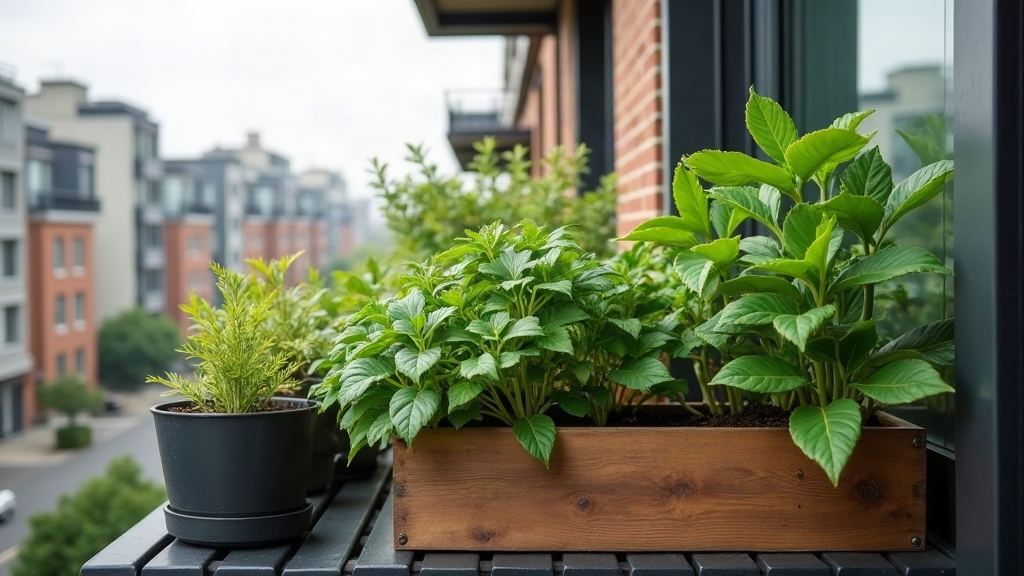
Self-watering railing planters are a genuine lifesaver if you travel a lot. But pick the wrong design, and your relaxing trip turns into a dripping mess all over your neighbor’s balcony below. The good news? Get the reservoir design, overflow valve, and wick system right, and you can disappear for one to three weeks without worrying about drips, mold, or a dead geranium waiting for you at home. Here’s what actually matters when you’re shopping for one.
Why Overflow Happens in the First Place
Most self-watering planters work the same basic way: water sits in a bottom reservoir, and the plant pulls it up through a wick or capillary tube as needed. Overflow tends to come from one of a handful of culprits:
- No overflow drainage hole. Once the reservoir fills past its limit (say, from a surprise rainstorm or you topping it off a bit too generously), the water has nowhere to go except out the top or through the seams.
- Poorly sealed reservoir walls. Cheap plastic flexes and cracks with temperature swings. A planter that looked fine in the store can start weeping at the joints after a month on a hot balcony.
- Oversized intake relative to reservoir size. If you’re filling faster than the plant can drink, especially during a cool, low-evaporation week, water just backs up.
- Rain exposure. Railing planters usually sit out in the open with no roof. Three days of steady rain while you’re on a plane can overfill a reservoir that was already topped up before you left.
What to Look for Before You Buy
1. A Built-In Overflow Hole or Valve
Non-negotiable if you’re buying for travel, full stop. Good planters have a small side hole positioned just below the max fill line, so excess water drains horizontally, away from the balcony floor, instead of pooling at the rim and spilling over. When you’re scanning product listings, look for phrases like “overflow drainage” or “anti-overflow spout.” If the description doesn’t mention it, assume it’s not there.
2. Reservoir Capacity Matched to Plant Size
Too small, and the reservoir runs dry in a few days, leaving your plants gasping. Too large for the plant, and the water just sits there unused, which is basically an invitation for mosquitoes. A rough guide:
- Small herbs/succulents: 0.5–1 liter reservoir, good for 5–7 days
- Medium flowering plants (petunias, geraniums): 1.5–2.5 liters, good for 7–10 days
- Larger trailing plants or small shrubs: 3+ liters, good for up to two weeks
3. A Visible Water Level Indicator
A simple gauge window on the side means you fill to the right level before heading out the door, instead of eyeballing it and overfilling “just to be safe.” That “just to be safe” instinct is exactly what causes overflow in the first place.
4. Secure Railing Mounting Brackets
Overflow isn’t only about how much water is in there. A planter that’s even slightly tilted will push water to one side, where it pools and eventually spills over. Go for brackets with adjustable tension screws that fit railings anywhere from 1 to 3 inches thick, and once it’s mounted, actually check that it’s level. Don’t just eyeball it from across the room.
5. Material That Won’t Warp or Crack
UV-resistant, double-walled polypropylene or fiberglass-reinforced resin holds up much better over a summer of heat and cold snaps than thin, single-wall plastic. Cheaper materials flex, and that flexing is exactly what opens up tiny leaks at the seams six months in.
Pro Tips for Worry-Free Travel
- Fill to about 80% capacity, not all the way, before you leave. That extra headroom absorbs any rain that falls while you’re gone.
- Use a capillary wick made of nylon rope or cotton cord, not foam. Foam degrades over time and starts clogging the wicking channel, which throws off the whole watering rate.
- Put a small drip tray or absorbent mat underneath, even if your planter has a decent overflow valve. Think of it as a backup, not a redundancy.
- Run the system for a week before a long trip. This tells you whether the wicking rate actually matches what your specific plants need, rather than finding out the hard way on day 10 of a vacation.
- Pick planters with removable reservoirs. Makes refilling and inspecting far easier, and you won’t have to disturb the roots to do it.
Best Plant Choices for Self-Watering Railing Planters
Not every plant plays nice with a self-watering setup. Stick to species with steady, moderate water needs:
- Petunias, calibrachoa, and verbena (heat-tolerant, drink consistently without fuss)
- Rosemary, thyme, and other Mediterranean herbs (drought-tolerant, forgive you if the system runs slightly wet)
- Pothos or spider plants for shadier balconies (low maintenance, happy with steady moisture)
Skip cacti and succulents entirely in these systems. They’re built for dry spells, not constant contact with damp soil, and that combination almost always ends in root rot.
Final Thoughts
A good self-watering railing planter isn’t just a convenience item, it’s peace of mind while you’re two time zones away and not thinking about your balcony. Look for a model with a real overflow outlet, a reservoir sized correctly for what you’re growing, and mounting hardware sturdy enough to keep things level. Pair that with a few smart habits, filling to 80% and tucking a drip tray underneath as backup, and you can leave for a two-week trip knowing your balcony (and the one below it) will stay dry, and your plants will actually be alive when you walk back in.