Diagnosing Edema Blisters on Balcony Tomato Leaves in Humid Weather
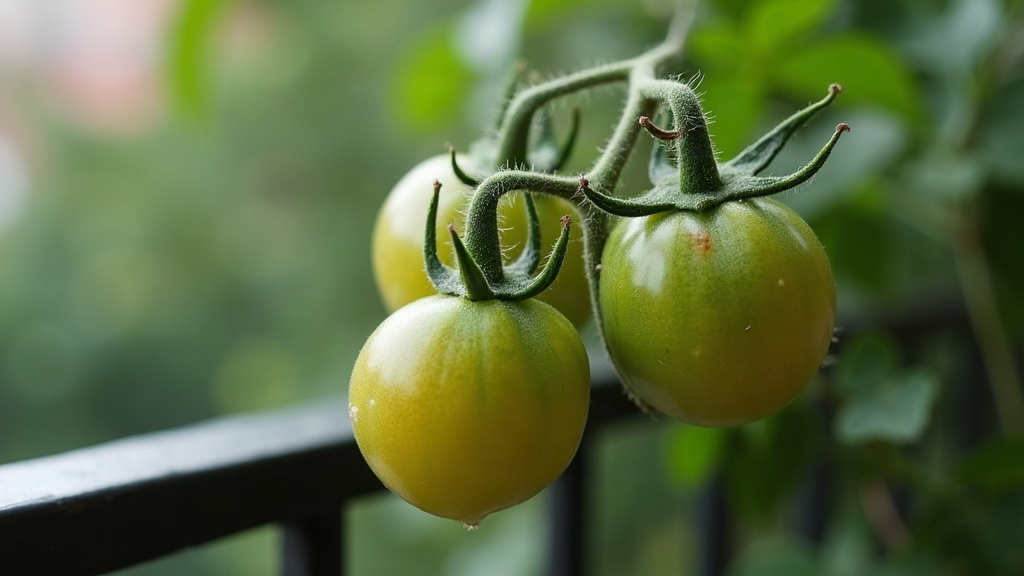
If you’ve noticed small, warty, scab-like bumps on the undersides of your balcony tomato leaves, usually showing up after a few days of muggy, overcast weather, you’re probably looking at edema (sometimes spelled oedema). This isn’t a disease or an infection. It’s a physiological glitch that happens when roots pull in more water than the leaves can push back out through transpiration. The cells swell, then rupture. The silver lining here: no pests, no pathogens involved, and in most cases you can fix it just by tweaking how and when you water and how much air moves around your plants.
What Edema Looks Like
Edema blisters have a pretty distinctive look once you know what to search for:
- Small, raised, corky or blister-like bumps, usually 1-3mm across, forming on the leaf undersides
- They start out pale green or whitish, then harden into a rusty-brown or tan color
- No yellow halo around them (this is the key difference from bacterial spot or speckle)
- Scattered unevenly, often clustered on older, lower, or shaded leaves rather than the newer growth up top
- A rough or gritty feel under your fingers where the blisters have formed
- In worse cases, leaves start curling downward or taking on a leathery texture
Since edema isn’t contagious, it won’t spread the way a classic disease does, no expanding ring-shaped lesions, no leaf-to-leaf progression over days. Instead, you’ll often see several plants in the same tray or corner of the balcony break out at roughly the same time, simply because they’re all sitting in the same stressful conditions.
Why It Happens on Balconies Specifically
Balcony containers seem to get hit with this more than garden beds do, and there’s a reason for that. A few factors stack up:
- Restricted airflow. Railings, walls, and neighboring buildings block the breeze that would normally help leaves transpire properly.
- Humid, cool, cloudy stretches. Once humidity sits above 70-80% for several days running, especially with cooler nights thrown in, transpiration slows way down while the roots just keep drinking.
- Overwatering or poor drainage. Containers that stay soaked, particularly ones without enough drainage holes, keep root pressure cranked up even when the air outside is too damp for the plant to let any of it go.
- Dense foliage. Crowded balcony pots trap humid air right around the lower leaves, which is exactly where edema shows up first.
How to Confirm It’s Edema (Not Disease or Pests)
Before you treat anything, rule out the usual suspects:
- Bacterial speckle/spot: lesions here come with yellow halos and show up on both sides of the leaf; edema stays halo-free and purely bump-shaped.
- Spider mites: check for fine webbing and stippling on the top of the leaves. Edema is a texture issue only, no webs anywhere.
- Russeting from pesticide or wind damage: this tends to look more uniform and ties back to a specific spray or storm you can usually pinpoint.
If the bumps are symmetrical, showing up on leaves of similar age, appeared right after a rainy or muggy week, and you can’t spot any pest activity, edema is by far the likeliest culprit.
Fixing and Preventing Edema on Balcony Tomatoes
1. Adjust Your Watering Schedule
- Water in the morning so any extra moisture has a chance to evaporate over the course of the day.
- Let the top 2-3cm of soil dry out before watering again. Just stick a finger in and check.
- Skip watering in the late evening, and definitely hold off right before a humid, cloudy stretch rolls in.
2. Improve Drainage
- Make sure your pots have more than one drainage hole.
- Raise containers slightly on pot feet or a couple of bricks so water can actually drain and doesn’t pool underneath.
- Mix perlite or coarse sand into your potting soil so it drains well.
3. Boost Airflow
- If you’ve got multiple containers, spread them out a bit more.
- Trim off a few of the lower, crowded leaves so air can move around the base of the plant.
- On the muggiest days, run a small balcony fan for a couple of hours to help the leaves transpire.
4. Manage Humidity Timing
- Keep an eye on local humidity forecasts and cut back watering during multi-day humid spells.
- If your balcony is enclosed or shaded, try shifting pots somewhere with better cross-ventilation during those sticky weeks.
5. Remove Severely Affected Leaves
Heavily blistered leaves won’t bounce back, but pulling them off opens up airflow and lets the plant put its energy into fresh, healthy growth instead. Edema doesn’t need any chemical treatment. No fungicide or pesticide is going to help, since there’s no pathogen to kill in the first place.
When to Worry
On its own, edema rarely hurts your tomato yield as long as you catch it early and fix the conditions. The real risk is secondary: persistently wet, swollen tissue can turn into an entry point for fungal infections like botrytis. If you start seeing soft, mushy, grayish patches forming on top of the blisters, treat that as its own separate problem and get airflow improved right away.
Conclusion
Edema blisters on the underside of balcony tomato leaves are a textbook sign that watering and transpiration have fallen out of balance, usually triggered by humid weather combined with the limited airflow that comes with growing in containers. Getting the diagnosis right (halo-free, bump-like lesions on the lower leaves after a muggy stretch) saves you from reaching for a fungicide you don’t actually need. Fix your watering timing, improve the drainage, give your plants more breathing room, and boost the airflow. Within one to two weeks, your tomatoes should be back to healthy growth.