Windproofing a 6th-Floor Balcony Garden Without Drilling: Full Guide
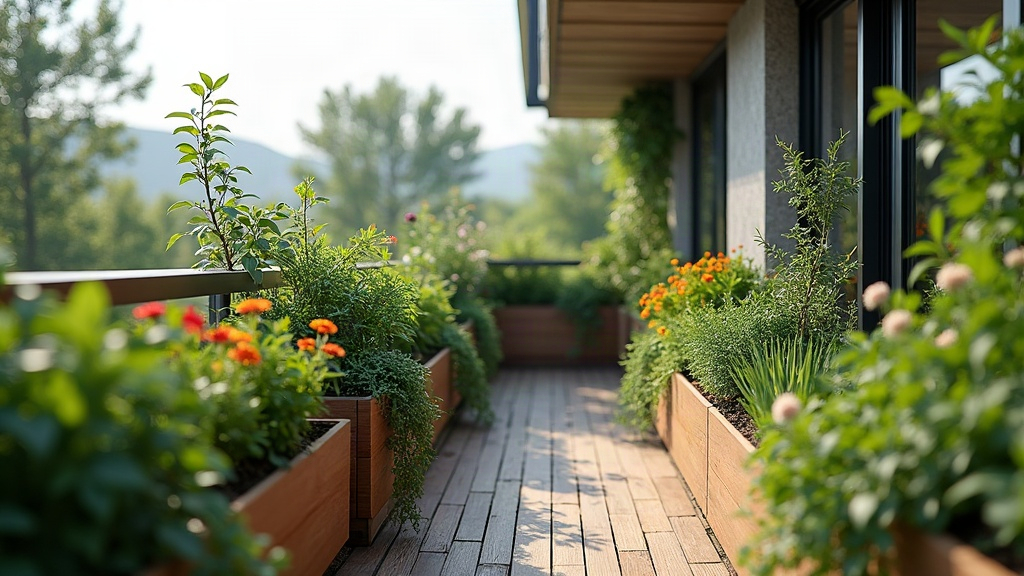
If your balcony sits six floors up, you already know the drill: what feels like a soft breeze at street level turns into a relentless, gusty wind by the time it hits your railing. Pots topple, leaves shred, and the soil dries out overnight like you never watered at all. Here’s the good part: you can windproof a 6th-floor balcony garden without touching a drill. Weighted bases, freestanding screens, smart plant picks, and clamp-on railing gear will get you there without costing you a cent of your rental deposit—the same approach works whether you’re growing flowers or setting up vermicomposting on a small balcony.
Why the 6th Floor Is a Different Game
Wind picks up speed the higher you go, and by floor six you’re often dealing with gusts 30 to 50% stronger than what’s happening on the sidewalk below, especially if you’re on a corner unit or facing an open plaza or parking lot. That extra force creates three distinct headaches.
- Dehydration. Wind pulls moisture out of leaves and topsoil way faster than sun ever could. Plants that looked fine at 9 a.m. can be visibly wilted by lunch.
- Mechanical damage. Big leaves tear, stems snap, flower buds get ripped clean off. It doesn’t take a storm, just a steady gust funneling between buildings.
- Toppling. Tall, top-heavy plants and lightweight pots go over easily, and on the sixth floor that’s not just annoying, it’s a real hazard for anyone walking underneath.
The trick to fixing this isn’t building a wall. It’s about slowing the wind down, breaking up direct gusts, and adding enough mass that nothing budges.
Step 1: Choose Plants and Containers That Resist Wind
Start with the part you have full control over: what you actually plant.
Wind-Tolerant Plants for High-Rise Gardens
- Low, mounding varieties. Sedum, thyme, oregano, dwarf grasses, trailing succulents. They hug the pot and barely give the wind anything to grab.
- Flexible-stemmed plants. Ornamental grasses, lavender, rosemary, ferns. These bend with a gust instead of cracking under it.
- Small-leaved plants. Boxwood, rosemary, and most culinary herbs lose far less moisture than big-leafed tropicals like banana or monstera, which shred within a season up here.
Containers That Stay Put
- Pick wide and heavy over tall and narrow. A low center of gravity beats almost anything else you can do to stop tipping.
- Weight matters more than material style. Ceramic, concrete, or terracotta will always outperform thin plastic. If plastic is what you’ve got, dump 5 to 10 kg (11 to 22 lb) of gravel or stones in the bottom. Bonus: it improves drainage too.
- Self-watering planters pull double duty. The built-in reservoir adds ballast weight and means you’re not fighting wind-dried soil every single day.
Step 2: Build a No-Drill Windbreak
The idea is simple: slow the wind before it ever reaches your plants. Everything below clamps, leans, or just sits in place. No screws, no landlord drama.
Freestanding Screens and Trellises
- Weighted lattice screens. Stand a wooden or PVC lattice panel inside a heavy planter box, or wedge it between two weighted pots. It breaks up gusts while still letting light through, so your plants don’t end up in permanent shade.
- Planter trellises. A trellis rooted in a deep, soil-filled planter anchors itself. Let ivy or clematis climb it and within a season you’ve got a living windbreak, not just a wooden frame.
- Bamboo or reed screening. Roll-up reed fencing is cheap, light, and looks decent. Stand it against the railing, then hold it there with a heavy planter in front or a few cable ties.
Railing-Attached Options (Clamp, Don’t Drill)
- Privacy mesh or shade cloth. Stretch a UV-stabilized mesh across whichever side catches the worst gusts and fix it with zip ties or reusable hook-and-loop straps. Done right, this can cut wind speed by 50 to 60% while still letting air move through, which matters, because a solid wall just creates turbulence on the other side.
- Clear PVC sheeting. Great for the colder months. It blocks wind and cold air but keeps your view and your light. Adjustable railing clamps hold it fine, no drilling needed.
- Adjustable railing clamps. These screw-tight friction clamps grip round or square railings and can hold lightweight panels, trellises, even hanging baskets, and you can move or remove them whenever you want.
Step 3: Anchor Everything Against Gusts
A windbreak helps, but individual pots still need their own defense.
- Weight the bottoms. Fill the lower third of every pot with stones or gravel before you add soil. On an exposed corner, drop a paver stone or brick inside a larger decorative outer pot for extra ballast.
- Group your pots. Clustered plants shelter each other, with the outer ring absorbing the worst of it while the inner plants stay calm. Put your heaviest, sturdiest pots on the side that takes the brunt of the wind.
- Use pot feet or grippy trays. Rubber pads or anti-slip mats stop pots from sliding across smooth tile or composite decking during a gust.
- Strap tall items down. Top-heavy plants, parasols, shelving units, all of it can be secured to the railing with adjustable straps or bungee cords. Removable, sturdy, zero holes drilled.
- Get low before a storm. When high winds are forecast, move your tallest plants down onto the floor, right up against the building wall. That’s the most sheltered square foot on any balcony, and it’s free.
A Quick Windproofing Checklist
- Choose low, flexible, small-leaved plants.
- Use wide, heavy containers with gravel in the base.
- Block the windward side with mesh, reed, or a weighted screen.
- Group plants and put the heaviest pots on the windward edge.
- Strap tall or top-heavy items to the railing.
- Move vulnerable plants against the building wall before storms.
Conclusion
A sixth-floor balcony garden can absolutely thrive in the wind. You just have to stop fighting it and start working with it. Combine wind-tolerant plants, low and heavy containers, a clamped or weighted screen, and a handful of anchoring tricks, and you’ll protect every plant on that balcony while keeping your landlord none the wiser about how you did it. Start on the windward side, add weight everywhere you can, and your garden will still be standing after every gust that comes through.