Using Capillary Matting to Water Balcony Plants During Short Trips
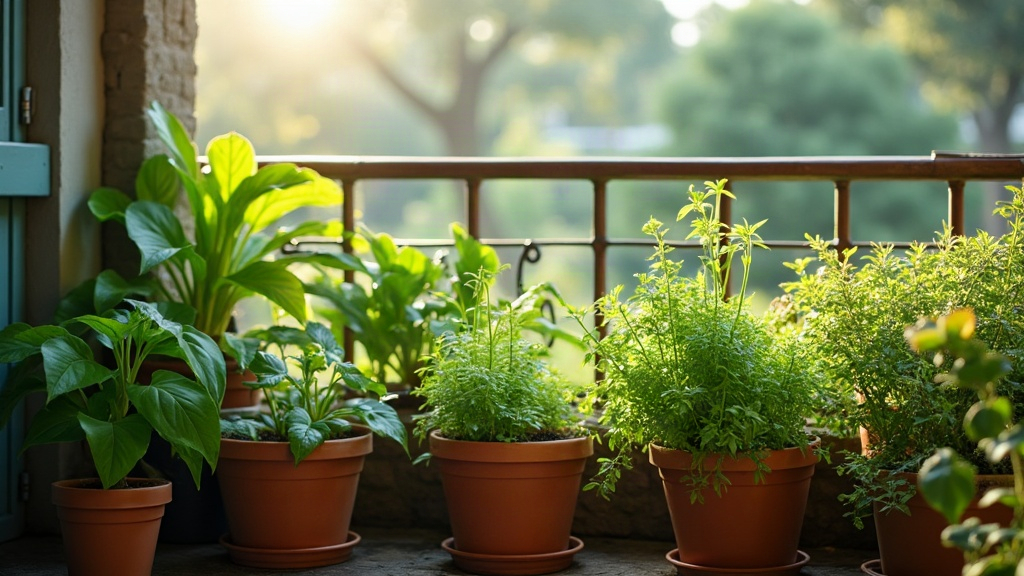
Capillary Matting: A Simple Fix for Balcony Plants While You’re Away
If you’re heading off for a weekend, or even a full week, and you’re dreading the thought of coming home to crispy, drooping balcony plants, capillary matting might be the easiest fix you haven’t tried yet. It’s cheap, low-tech, and reliable. This absorbent fabric pulls water straight from a reservoir into your plant’s soil, keeping things evenly moist without any drippers, timers, or plugs. Balcony gardeners love it because setup takes minutes and it works with the pots you already have sitting around.
What Is Capillary Matting?
Picture a thick, felt-like sheet made from polyester or a similar synthetic fiber, one that’s built to soak up and hold onto water. It’s the same stuff greenhouses use commercially to keep trays of seedlings from drying out. Put one end in water and let the other touch soil (or slip into a pot’s drainage hole), and the fabric pulls moisture upward and sideways through capillary action. Same physics as a paper towel sopping up a spilled glass of juice.
You don’t need anything fancy for balcony use. A roll of this matting from a garden center, or ordered online for a few dollars, can be cut into whatever shapes and lengths your pot arrangement calls for.
Why It Works So Well for Short Trips
- No electricity, no timers. Unlike drip irrigation kits, there’s nothing to plug in, nothing to program, nothing that can glitch while you’re on a plane.
- Self-regulating. Plants only draw the water they actually need, which cuts down on overwatering, a mistake even more common than letting plants dry out.
- Great for spontaneous trips. Booked a last-minute weekend getaway? You don’t need days to install a full irrigation system.
- Reusable. Wash it, dry it, roll it up, and it’s ready for the next trip.
This setup shines on balconies with a mix of pot sizes, big terracotta planters next to small herb pots, since you’re not fiddling with separate emitters or tubing for each one.
How to Set It Up
- Choose a water reservoir. A shallow basin, a plastic tray, even an old bathtub if you have one handy. Setting it slightly higher than or level with your pots helps efficiency, though gravity isn’t essential, capillary action does the heavy lifting regardless.
- Cut strips of matting long enough to run from the reservoir into each pot. For small to medium containers, a strip 2 to 3 inches wide is usually plenty.
- Pre-soak the matting before you place it. Skip this step and the fabric wastes its first hours just absorbing its own moisture instead of feeding your plants.
- Insert one end into the pot, pushing it an inch or two into the soil, either through the drainage hole or along the surface. The other end goes into the reservoir. If it keeps floating up, weigh it down with a small stone.
- Fill the reservoir with enough water to cover the whole trip. As a rough guide, budget around 1 liter per day for a medium pot, though hot weather or thirstier plants will push that number up.
Tips for Best Results
- Do a trial run a few days before you leave. Watch how fast the reservoir drains and check how moist the soil actually gets. Add strips or size up the reservoir if it’s not enough.
- Keep the reservoir out of direct sun. A shaded corner slows evaporation considerably, sometimes by half compared to a spot baking in afternoon light.
- Cluster thirsty plants near a shared reservoir, and keep succulents or cacti off on their own, lighter watering routine. They really don’t want constant moisture at their roots.
- One strip per pot works fine for small containers. For anything larger, use two or three strips so the moisture spreads evenly instead of pooling on one side.
Common Mistakes to Avoid
- Skipping the pre-soak. A dry strip of matting sitting in a reservoir for the first several hours does almost nothing.
- Undersizing the reservoir. If you’ve got fifteen pots and one small tray of water, do the math on evaporation before you leave, not after.
- Leaving pots exposed on a scorching balcony with no shade cloth. On a 95°F afternoon, the water demand can outpace what the matting can deliver, no matter how well you set it up.
Capillary Matting vs. Other Self-Watering Methods
Compared to wine bottle spikes or terracotta ollas, which water from a single point, capillary matting spreads moisture across the entire root zone. That means less risk of one soggy spot next to a bone-dry one on the other side of the pot. It’s also far more scalable: one reservoir can feed a dozen pots at once, which makes it a much better fit for crowded balconies than trying to manage a dozen individual spikes or ollas.
Conclusion
Capillary matting is a cheap, low-fuss way to keep a balcony garden alive while you’re gone, whether that’s a two-day trip or two weeks abroad. Test it beforehand, size your reservoir properly, and you can walk out the door knowing you’ll come back to healthy, hydrated plants instead of a row of sad, wilted leaves.