Choosing Fabric Vertical Wall Planters for a Shady Balcony Wall
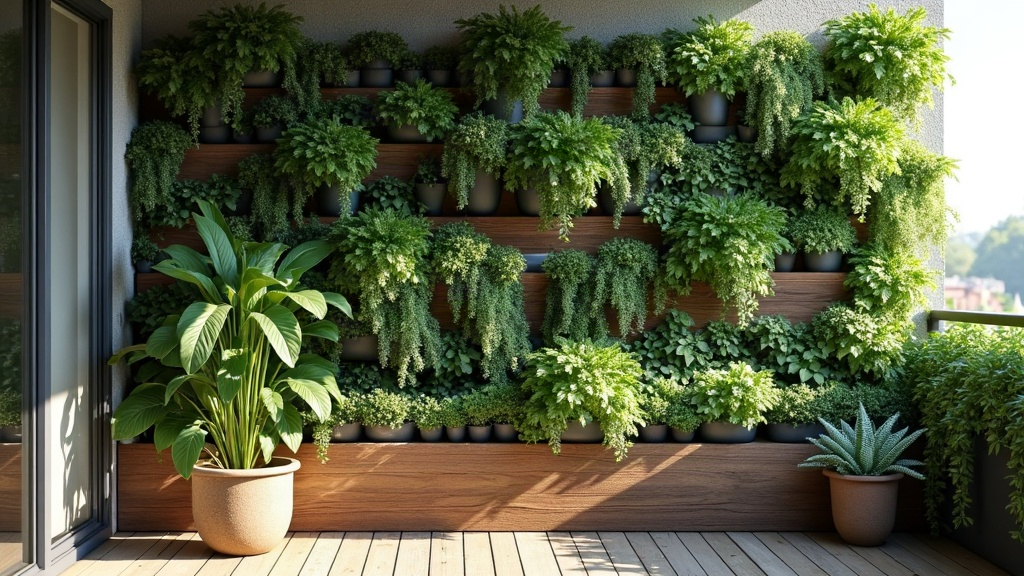
Why Fabric Planters Work Well in Shade
If you’ve got a bare, shady wall on your balcony, a fabric vertical planter might be the simplest fix you’ll find. They’re light, they breathe, they mount in minutes, and they do something rigid pots just can’t: they handle low-light conditions without turning into a swamp.
Unlike plastic or ceramic containers, fabric pocket planters are made from breathable felt or recycled polyester. That breathability matters more than people think, especially in shade:
- Better airflow around roots cuts the risk of root rot, which shows up far more often in dim, slow-drying corners than in sunny spots.
- Even moisture distribution through the fabric keeps soggy pockets from forming, the kind that invite fungus gnats within days.
- Lightweight structure lets you stack two or three tiers on a wall or railing without putting real stress on the brackets. That’s a win if you’re renting and can’t drill holes everywhere.
Here’s the thing about shady walls: they dry out slowly. A sun-baked balcony wall might lose moisture in a day; a shaded one can hold it for a week. So breathability isn’t a nice bonus, it’s basically the whole point.
What to Look for When Buying
1. Fabric Quality
Go for UV-resistant, tightly woven polyester felt, ideally 300gsm or heavier. Thinner fabric looks fine on day one, but after a rainy week, once the soil’s waterlogged and heavy, it starts tearing at the seams. Not worth the savings.
2. Pocket Depth and Size
Ferns and pothos (the shade classics) have moderate root systems, not shallow ones. Pick pockets that run at least 4 to 5 inches deep. Anything under 3 inches either dries out in a day or chokes the roots before the plant gets established.
3. Drainage Layer
Look for a waterproof backing with small drainage holes, or a built-in liner, so water drips into a tray instead of running down your wall. On a balcony, this isn’t a cosmetic detail. Water stains on shared walls can turn into an awkward conversation with your building manager.
4. Mounting System
Check what’s actually included:
- Grommets and hooks for hanging over a railing
- Wall anchors for direct mounting
- A frame or stand option, useful if drilling is off the table
If you’re renting, over-the-rail designs or freestanding frames are the safer bet. No holes, no deposit drama.
Best Plants for Shady Fabric Wall Planters
Not every plant handles both shade and the slightly drier top pockets of a fabric system. Stick with proven performers:
- Pothos, basically indestructible, and it trails beautifully from the upper pockets
- Ferns (Boston, maidenhair), happiest in humidity and indirect light
- English ivy, tough as nails, fills in fast
- Peace lily, still flowers even without direct sun
- Heuchera (coral bells), brings color to a shady setup without needing full sun
Skip succulents and sun-loving herbs like rosemary. They’ll stretch toward whatever light they can find and end up leggy and weak, no matter how good the container is.
Installation and Watering Tips
- Mount it with a slight downward tilt so excess water drains toward the lower pockets instead of pooling at the top.
- Water from the top pocket down. Let gravity do the work. That’s literally how these systems are engineered to function.
- Check moisture weekly, not daily. Shaded walls hold water far longer than sunny ones, so overwatering, not underwatering, is the real danger here.
- Rotate plants with the seasons if your balcony gets a bit of filtered summer light but goes nearly pitch-dark in winter.
Common Mistakes to Avoid
- Overcrowding pockets. One plant per pocket. Cramming two in there just sets up root competition and chokes airflow.
- Ignoring the wall material. Stucco, brick, and wood each call for different anchors. Check before you drill, not after you’ve cracked the stucco.
- Skipping a liner. Even with built-in drainage, dropping a thin plastic liner into each pocket adds years to the fabric’s life by keeping soil fibers from grinding it down.
Conclusion
A fabric vertical wall planter can turn the darkest, most useless corner of your balcony into something genuinely green, as long as you get the basics right: breathable fabric, deep enough pockets, solid drainage, and shade-tolerant plants like pothos or ferns. Get the setup right once, pay a little attention to watering, and that dead wall space starts doing something for you instead of just sitting there empty.