Protecting Balcony Plants from Pigeons with UV-Resistant Netting
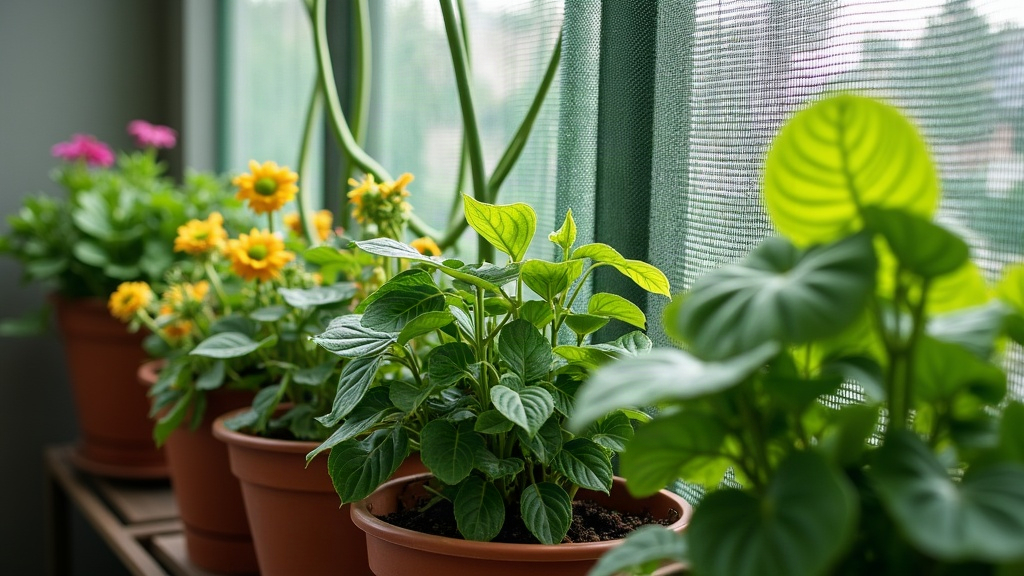
Pigeons can trash a balcony garden in a matter of days. They peck at seedlings, nest in your pots, and leave droppings that scar leaves and sour the soil underneath. The fix doesn’t have to mean blocking out the sun, though. UV-resistant netting made for plant protection handles the bird problem while still letting your plants get the light they need. Here’s how to pick the right netting, put it up properly, and keep both your garden and the birds unharmed in the process.
Why Pigeons Target Balcony Plants
Pigeons show up on balconies for three simple reasons: they want shelter from wind and rain, they’re scouting nesting spots in planters or tucked-away corners, and they’ve found soft soil and tender seedlings that are easy to dig into or peck at. Once a pigeon marks your balcony as safe territory, it comes back. Again and again. And it usually tells its friends. Ignore the problem for a few weeks and you’ll likely see:
- Broken stems and shredded leaves from constant pecking
- Disturbed soil, sometimes whole seedlings pulled right out
- Droppings loaded with bacteria that can actually burn foliage on contact
- Twigs and nesting debris clogging the drainage holes in your pots
Why UV-Resistant Netting Is the Right Fix
Regular garden netting falls apart fast under direct sun. It gets brittle, turns yellow, and rips within a single growing season, sometimes sooner if your balcony faces south. UV-resistant netting is treated with stabilizers that block that ultraviolet breakdown, and it still lets through anywhere from 85% to 95% of light, depending on how tight the mesh is woven. Practically speaking, that means:
- Your plants keep getting the sunlight they need for photosynthesis
- The netting survives multiple seasons instead of cracking apart after a summer
- It holds its strength even on an exposed, sun-baked balcony where cheaper netting would fail
Check the label for “UV-stabilized” or “UV-treated” polyethylene or polypropylene. These hold up to sun exposure far better than plain, untreated nylon mesh, which just isn’t built for the job.
Choosing the Right Mesh Size
Mesh size trips up more people than you’d expect:
- 15-20mm mesh: The sweet spot for pigeons. Tight enough to keep them out, loose enough to let in light, air, and pollinators like bees.
- Under 10mm mesh: Keeps out smaller birds and most insects too, but airflow suffers a bit and delicate plants can end up slightly more shaded.
- Over 25mm mesh: Too generous. Pigeons can squeeze through, or worse, get stuck halfway, which raises a real welfare issue.
For a typical balcony setup, 15-20mm UV-resistant mesh gives you the best trade-off between keeping birds out and keeping your plants happy.
How to Install Netting Without Blocking Sunlight
- Measure your railing and the overhead space. If pigeons tend to land from above, you’ll need to cover the top as well as the open side, not just one or the other.
- Rig up a frame or tension wires rather than draping the net straight onto your plants. Otherwise leaves press against the mesh and birds can peck right through the gaps.
- Tilt the top of the netting slightly outward. A flat surface at the top is basically an invitation for birds to land.
- Clip or tie down the edges, but leave a couple centimeters of slack so wind doesn’t tear the material apart on a gusty day.
- Walk the installation once a month. Check for sagging or gaps, especially right after a storm.
Does Netting Affect Plant Growth?
A decent UV-resistant net with 15-20mm mesh usually cuts light by only 5-10%, which barely registers for sun-loving balcony staples like tomatoes, herbs, or flowering annuals. Shade-tolerant plants, think ferns or leafy greens, notice it even less. Growing something that really wants full sun, like peppers or succulents? Go for the lightest-colored netting with the widest mesh you can find, to keep shading to an absolute minimum.
Alternatives and Complementary Measures
Netting does its best work paired with a few extra tricks:
- Reflective deterrents (old CDs, holographic tape) to spook birds off before they even reach the net
- No standing water left around, since pigeons will stop by just to drink
- Skip the bird feeders on or near that same balcony, obviously
Conclusion
Get the mesh size right, pick UV-resistant material, and install it with proper tension and a solid frame. That combination, a 15-20mm UV-stabilized net plus a couple of simple deterrents, keeps pigeons away without costing your plants their sunlight. Do it once, do it right, and your balcony garden stays protected and pigeon-free for the whole season.