Terra-Cotta vs Glazed Ceramic Pots: Balcony Herb Moisture Control
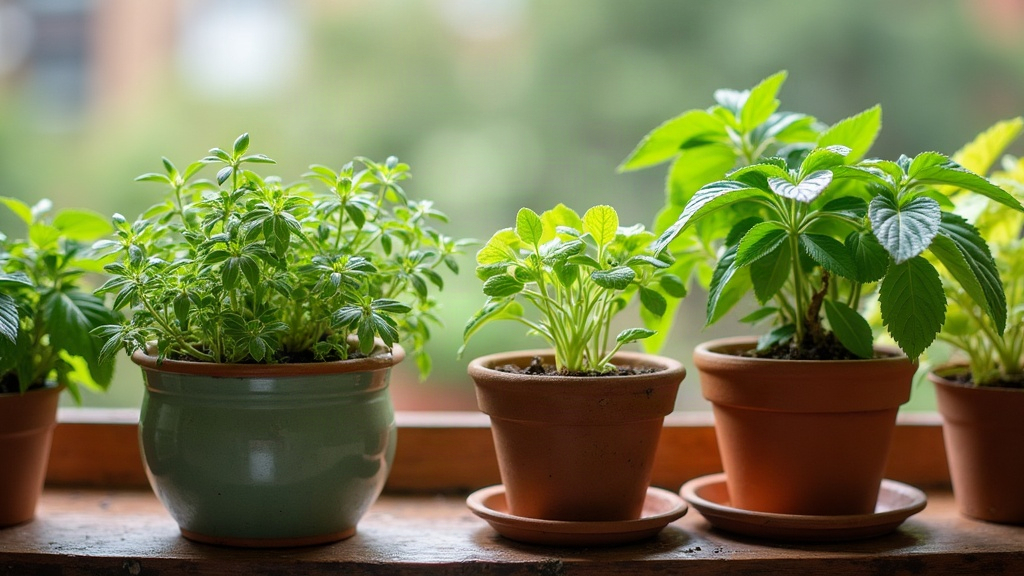
If you’re growing herbs on a balcony, the single biggest factor separating thriving basil from soggy, rotted roots often isn’t the fertilizer or the sunlight schedule. It’s the pot. Specifically: unglazed terra-cotta versus glazed ceramic. Terra-cotta is porous and breathes, pulling moisture out through its walls so soil dries faster and roots get more oxygen. Glazed ceramic is sealed on the outside, so it holds moisture much longer and dries slowly. Neither wins outright. The right choice depends on which herbs you’re growing, your climate, and honestly, how often you actually remember to water.
How Each Material Actually Affects Moisture
Terra-Cotta: Breathable but Thirsty
Unglazed terra-cotta is fired clay riddled with tiny open pores. Water vapor escapes through the walls themselves, not just the drainage hole at the bottom, which changes the whole moisture picture:
- Soil dries out 20-40% faster than in a glazed or plastic pot of the same size
- Roots get excellent aeration, which cuts the risk of root rot significantly
- You’ll be watering more often, especially in a hot, windy, or south-facing balcony spot
- Over time, mineral salts build up on the outer surface as a white, crusty film. That’s just a sign of frequent watering and hard tap water, not a defect
Glazed Ceramic: Sealed and Moisture-Retentive
Glazed pots carry a fired-on glass coating, usually covering everything except the drainage hole and sometimes the interior, which blocks vapor from moving through the clay:
- Soil stays moist 2-3 times longer than in a comparable terra-cotta pot
- Great for herbs that sulk the moment they dry out completely
- Higher risk of overwatering and root rot if drainage is poor or you’re watering on autopilot rather than checking the soil
- No mineral staining on the outside, so they keep that clean look for years
Which Herbs Prefer Which Pot
Best in terra-cotta (Mediterranean, drought-tolerant herbs):
- Rosemary
- Thyme
- Oregano
- Sage
- Lavender
These plants evolved on dry, rocky hillsides and genuinely dislike sitting in damp soil. Terra-cotta’s fast drying mimics that native environment and helps head off the fungal problems that kill these herbs faster than almost anything else.
Best in glazed ceramic (moisture-loving herbs):
- Basil
- Mint
- Parsley
- Cilantro
- Chives
These wilt within hours once the soil dries out, and they often need steady moisture to avoid bolting (going to seed early) or turning bitter on you. A glazed pot buys a day or two of buffer if daily watering isn’t realistic for your schedule.
Balcony-Specific Considerations
- Sun exposure: A south- or west-facing balcony bakes pots for hours at a stretch. Terra-cotta up there can dry out twice a day in the middle of summer, which is perfectly fine for rosemary but risky for basil unless you’re checking on it constantly.
- Wind: Balconies, especially elevated ones, tend to be windier than a ground-level patio, and wind speeds up evaporation in both pot types. Terra-cotta feels it more.
- Weight and wind resistance: Glazed ceramic runs heavier and denser, which gives it better footing against gusts. That’s a real safety consideration if you’re several floors up.
- Drainage holes matter more than material: Whichever you pick, a pot with no proper drainage will rot roots eventually. Check for a real hole before buying, and use a saucer you actually empty rather than one that lets the pot sit in standing water for days.
A Practical Middle Ground
Plenty of experienced balcony gardeners just use both: terra-cotta for the hardy Mediterranean herbs lined up along the sunniest rail, glazed ceramic for tender annuals like basil and mint tucked into a slightly shadier corner. This way each pot matches the plant’s natural moisture preference instead of forcing one watering routine onto everything, which rarely works well for more than half your herbs anyway.
If you’d rather keep it simple and stick to one pot type, let your own habits decide:
- Water often, or tend to forget about wilting basil until it’s too late? Go glazed ceramic.
- Prone to overwatering, or mostly growing rosemary, thyme, and oregano? Go terra-cotta.
Quick Comparison
| Factor | Terra-Cotta | Glazed Ceramic |
|---|---|---|
| Drying speed | Fast | Slow |
| Root rot risk | Low | Higher if overwatered |
| Best herbs | Rosemary, thyme, oregano, sage | Basil, mint, parsley, cilantro |
| Watering frequency needed | High | Low-moderate |
| Weight/wind stability | Lighter | Heavier, more stable |
| Mineral staining | Common | Rare |
Conclusion
Terra-cotta and glazed ceramic aren’t really rivals. They’re two different tools built for two different jobs. Terra-cotta’s porous walls suit drought-loving Mediterranean herbs and a looser, more forgiving watering schedule. Glazed ceramic’s sealed surface keeps thirsty herbs like basil and mint evenly moist even when you can’t water every single day. Match the pot to the herb, or just use both, and moisture management on your balcony stops being a guessing game and turns into a system that actually works with what each plant needs.