Liquid vs Slow-Release Organic Fertilizer for Container Tomatoes
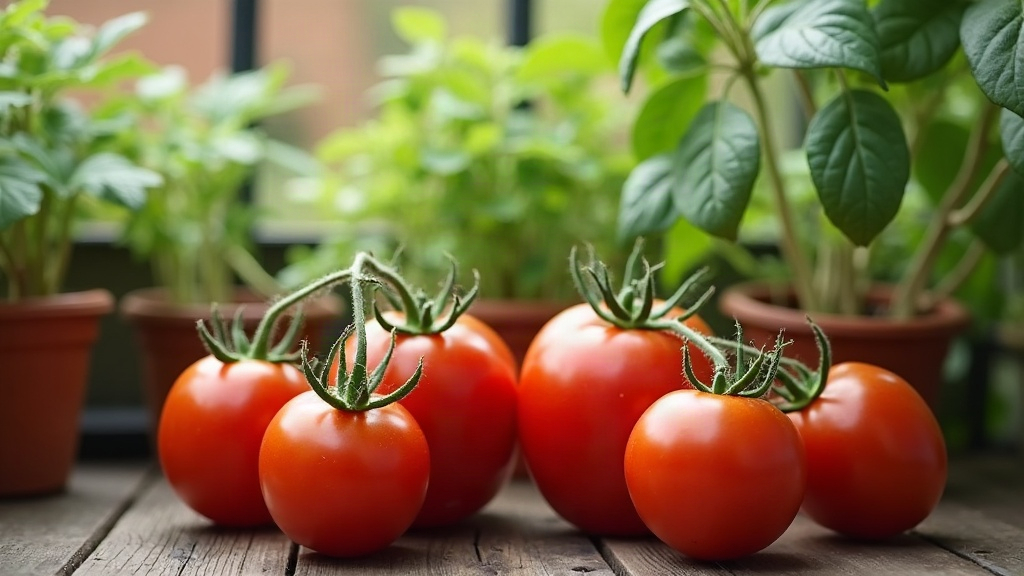
If you’re growing tomatoes in pots on a balcony or patio, the fertilizer type you choose matters just as much as the brand. Liquid organic fertilizers deliver nutrients fast but need frequent reapplication, while slow-release organic fertilizers feed steadily over weeks with less effort. For most container tomatoes, the best results come from combining both. Once you understand the trade-offs, it’s easier to decide what actually fits your schedule, your pot sizes, and what you’re trying to get out of the season.
Why Container Tomatoes Need Different Feeding Than Garden Tomatoes
Tomatoes in pots don’t have access to the deep soil reserves that in-ground plants can tap into. Every time you water, some nutrients wash straight out through the drainage holes, nitrogen and potassium especially. That’s why container tomatoes usually need more frequent feeding than their in-ground cousins, and it’s exactly why the liquid-vs-slow-release question matters so much for balcony growers.
How Liquid Organic Fertilizer Works
Liquid organic fertilizers, fish emulsion, seaweed extract, compost tea, liquid kelp, get dissolved in water and absorbed quickly through both roots and leaves.
Pros:
- Fast nutrient uptake, you’ll often see results within days
- Easy to adjust dosage depending on the plant’s stage (cut back nitrogen once flowering kicks in)
- Great for fixing deficiencies fast (yellowing leaves, stalled growth)
- Doubles nicely as a foliar feed when plants are stressed by heat
Cons:
- Needs reapplying every 7 to 14 days
- Leaches out quickly in a free-draining potting mix
- Easy to get the dilution wrong if you’re eyeballing it instead of measuring
Best use case: seedlings and young transplants that need a gentle, fast-acting nutrient boost, or as a supplement during fruit set when tomatoes want that extra potassium.
How Slow-Release Organic Fertilizer Works
Slow-release organic options, pelleted composted manure, bone meal, feather meal, alfalfa meal, granular blends, break down gradually as soil microbes get to work on them.
Pros:
- A single application can keep feeding for 6 to 8 weeks
- Less leaching, since release is tied to microbial activity rather than how often you water
- Much less day-to-day fuss, which is perfect if you’re busy or just forget things
- Builds up soil biology over time, which helps containers hold water better too
Cons:
- Slow to respond if a deficiency shows up mid-season
- Release speed depends on temperature and moisture, a cold snap can really slow things down
- Once it’s mixed into the soil, it’s hard to fine-tune the nutrient ratios
Best use case: laying down a season-long nutrient base right at transplanting, especially in bigger containers (15+ gallons) where the root system needs steady, long-term feeding.
Side-by-Side Comparison
| Factor | Liquid Organic | Slow-Release Organic |
|---|---|---|
| Speed of results | 1–3 days | 2–4 weeks |
| Application frequency | Every 1–2 weeks | Every 6–8 weeks |
| Leaching risk in pots | High | Low |
| Ease of correcting deficiency | Excellent | Poor |
| Labor required | Higher | Lower |
| Best growth stage | Seedling, flowering, fruiting boost | Transplanting, season-long base |
The Best Approach: Combine Both
Most experienced container growers don’t pick a side. They layer the two:
- At transplanting: work slow-release organic granules (composted poultry manure, or an all-purpose organic pellet blend) into the potting mix. That sets up a nutrient base that’ll last 6 to 8 weeks.
- Every 10 to 14 days: top it off with a diluted liquid fertilizer, fish emulsion or seaweed extract work well, especially once flowers start showing up.
- At first fruit set: switch your liquid feed to something potassium-heavy (liquid kelp or a tomato-specific organic liquid) to support the fruit and lower the odds of blossom end rot. Worth noting: that problem is usually tied to inconsistent calcium or water uptake, not just a fertilizer gap.
Common Mistakes to Avoid
- Overdoing the liquid feed. Too much nitrogen gives you a jungle of leaves and barely any tomatoes.
- Forgetting slow-release runs out. Most granular organic products are tapped out by week 6 to 8; top-dress again when that happens.
- Feeding bone-dry soil. Water first, then feed, otherwise you risk burning the roots.
- Ignoring pot size. A 5-gallon pot loses nutrients far faster than a 20-gallon one, so smaller containers need more frequent liquid feeding no matter what slow-release product you started with.
Quick Decision Guide
- Short on time, only growing 1 or 2 plants? Start with slow-release and only bring in liquid feed if you spot yellowing or stunted growth.
- Running several containers and want tighter control? Stick to a strict liquid feed schedule, skip slow-release, and adjust the ratios as the season moves along.
- Want the best yield without overthinking it? Combine both, slow-release as your foundation, liquid as the booster during flowering and fruiting.
Conclusion
Neither liquid nor slow-release organic fertilizer wins outright for container tomatoes. They just solve different problems. Slow-release gives you a steady nutritional base with almost no upkeep, while liquid fertilizer gives you a fast, flexible fix when plants need help right now. For the healthiest container tomatoes and the strongest harvest, lay down slow-release at planting time, then keep layering in liquid feed as the season rolls on.