Protecting Container Plants From Reflected Heat and Glass Glare
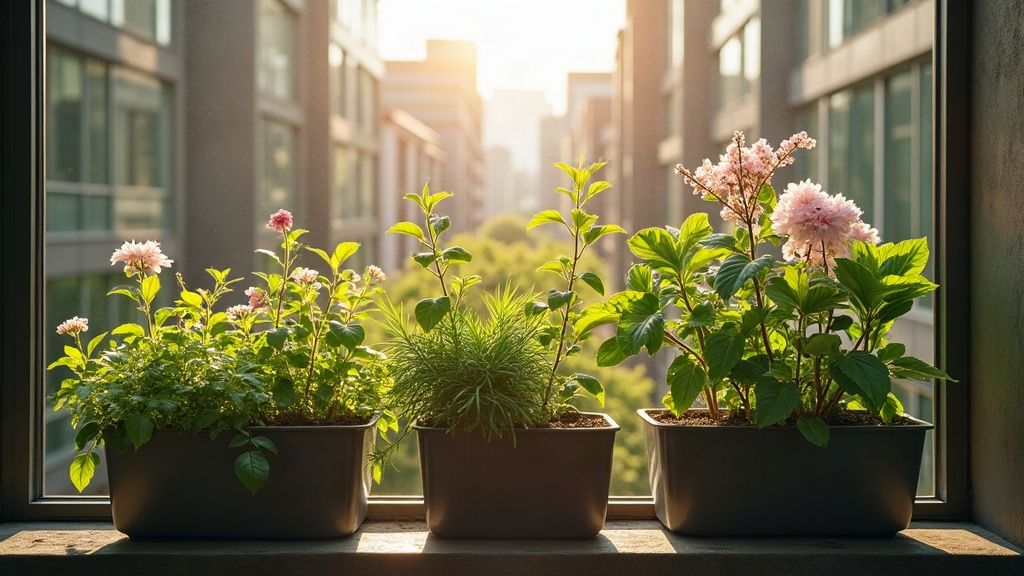
If your balcony faces a glass office tower, a curtain-wall apartment block, or just a shiny reflective facade across the street, your container plants might be dealing with something you haven’t even considered: bounced heat and light glare. That reflected sunlight can effectively double the intensity hitting your plants, scorching leaves, drying out soil way faster than expected, and stunting growth even in spots you assumed were shaded. Here’s why glass reflections cause so much trouble, and what actually works to protect your potted garden.
Why Reflected Glass Heat Is So Damaging
Direct sunlight is already plenty intense on its own. But glass and metal-clad buildings act like giant mirrors, redirecting sunlight and heat straight onto nearby balconies and patios. Unlike ordinary direct sun, this bounced light behaves differently in a few key ways:
- It arrives from odd angles. Sometimes it hits plants that should, by sky position alone, be sitting in shade.
- It concentrates into narrow hot bands. These pockets can run hotter than open, unobstructed sun exposure.
- It stacks on top of radiant heat already pouring off warm glass and metal, particularly in the afternoon hours.
- It shifts constantly as the sun moves. A “safe” corner at 10am can turn into a scorch zone by 2pm, then cool off again an hour later.
Buildings finished with low-emissivity (low-E) coatings or mirrored blue glass are the worst culprits. Even something as ordinary as light-colored stucco or metal siding across the street can throw off enough extra heat to matter for your containers.
Signs Your Plants Are Suffering From Reflected Heat
- Leaf edges going brown and crispy, usually worse on the side facing the glass
- Bleached, whitish, papery-looking patches (that’s sunscald)
- Soil drying out much faster than the light levels would suggest
- Wilting at specific hours of the day, even in species that normally handle full sun fine
- Lopsided or stunted growth, with the plant leaning away from the glare
Notice the damage is worse on one side, or that it flares up at a particular time each day? That’s a strong tell it’s reflected glare doing the damage, not just plain old direct sun.
How to Protect Container Plants
1. Map the Glare Pattern First
Give it a day. Sit out there with a coffee and just watch. Note when and where the reflected light hits hardest, since it’s often mid-morning or late afternoon depending on how the building sits relative to your balcony. Once you know the actual pattern, you can target protection precisely instead of guessing and overcorrecting.
2. Use Shade Cloth Strategically
A 30-50% shade cloth strung between your plants and the glass source cuts a serious chunk of reflected heat while still letting some light through. Good options:
- Retractable shade sails clipped to the railing
- Bamboo or reed screens if you want something that doesn’t scream “shade cloth”
- Basic shade fabric zip-tied to a frame or trellis
3. Choose Heat-Tolerant Species for Hot Spots
For the spots where reflected heat is simply unavoidable, lean on tougher plants:
- Succulents and sedums, built for intense light exposure
- Lantana, portulaca, gaillardia, which genuinely do better in high heat
- Mediterranean herbs like rosemary, thyme, and lavender
Save your ferns, hostas, and leafy greens for the most sheltered, shadiest corner you’ve got.
4. Upgrade Your Containers
Reflected heat doesn’t just hit the leaves, it superheats the pot too. A black plastic pot sitting in a hot band can bake roots alive. Fix this by:
- Swapping dark plastic pots for light-colored or glazed ceramic ones
- Double-potting: set the plant’s pot inside a slightly larger one with an air gap between them for insulation
- Using self-watering containers so soil doesn’t flash-dry in the heat
5. Adjust Watering for Extra Evaporation
Hot reflected zones lose moisture noticeably faster than normal. During peak glare hours, check soil daily and consider:
- A mulch layer (bark chips, pebbles, straw) to slow evaporation
- Watering early morning, so plants go into the afternoon glare already hydrated
- Grouping pots close together to build a slightly more humid microclimate around them
6. Reposition When Possible
Got mobile containers? Move them out of the worst glare during the peak-intensity months, usually midsummer, and shift them back once the sun angle changes in fall. A wheeled plant caddy makes this a five-minute chore instead of a workout.
A Quick Seasonal Checklist
- Spring: Map the glare pattern again as days lengthen and the sun angle shifts.
- Summer: Get shade cloth up, check watering daily, watch closely for scorch signs.
- Fall: Reassess placement as glare intensity starts to drop off.
- Winter: Reflected light can actually work in your favor here, helping less cold-hardy plants stay a bit warmer. Worth rechecking your protection setup either way.
Conclusion
Living next to a glass-clad building doesn’t mean writing off a thriving container garden. It just means treating reflected heat as its own challenge, separate from regular sun exposure. Map where the glare hits, put up shade cloth where it counts, pick plants that can actually handle the punishment, and tweak your watering schedule accordingly. Do that, and even the harshest reflective microclimate can turn into a genuinely productive, good-looking balcony garden.