How to Grow Culinary Ginger in a Shallow Tray on a Balcony
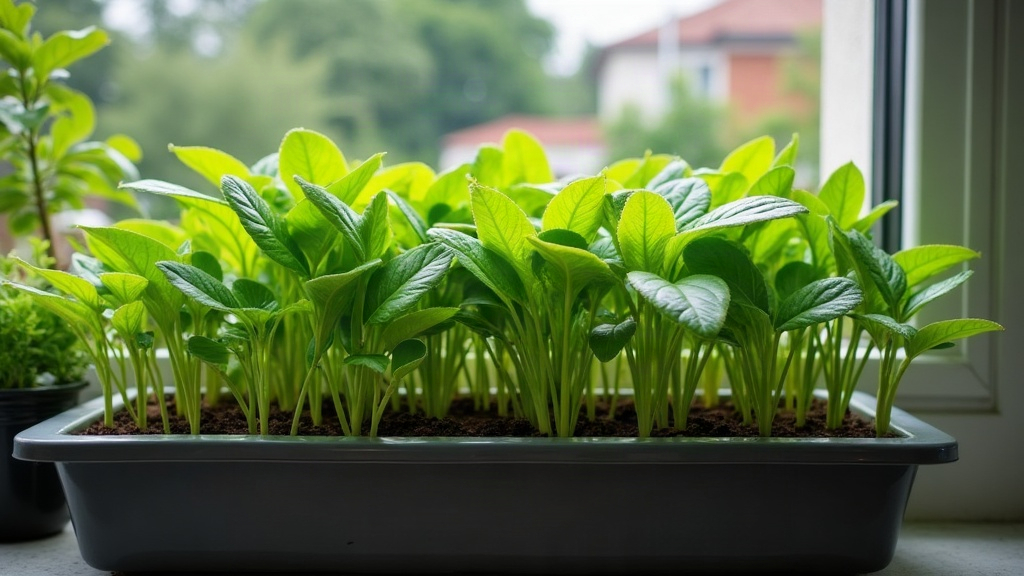
Can You Grow Ginger in a Shallow Tray on a Shaded Balcony?
Yes, and it works better than most people expect. Ginger is a forest-floor plant at heart, so it actually prefers filtered light over blazing sun. That makes it one of the better edible crops for a shady urban balcony that most gardeners write off as useless. Grab the right rhizome, a wide shallow container, and keep the moisture steady, and you’ll be pulling fresh ginger out of that tray in 8 to 10 months without ever giving it a single hour of harsh afternoon sun.
Why Ginger Suits a Shaded Balcony
Zingiber officinale grows wild in the understory of tropical forests, tucked under a canopy of taller trees. That upbringing shapes what it wants from you:
- Dappled or indirect light, not intense direct sun
- High humidity and soil that stays consistently moist, never soggy
- Warm temperatures, ideally 68-86°F (20-30°C)
A north- or east-facing balcony with a few hours of bright indirect light, or some filtered morning sun, is close to perfect. Full, heavy shade with barely any light will slow things down considerably, but 3 to 4 hours of gentle light (or just bright ambient daylight all day long) is plenty for healthy rhizome development.
Choosing the Right Tray
Ginger rhizomes creep sideways just under the soil surface rather than digging deep, so forget tall pots. What you actually need is a wide, shallow tray.
- Depth: 8-10 inches (20-25 cm) does the job
- Width: Go as wide as you can manage. A 16-20 inch (40-50 cm) tray gives the rhizomes room to spread out and multiply
- Drainage: Non-negotiable. Drill extra holes if the tray doesn’t already have some, because ginger loves moisture but despises sitting in water
Plastic storage bins, glazed shallow pots, even wooden crates lined with landscape fabric all do the trick.
Step-by-Step Planting Guide
1. Source Healthy Rhizomes
Buy proper “seed rhizomes” from a nursery if you can, or just dig through the ginger bin at the grocery store for a plump, firm piece with visible growth buds (those small green or yellowish nubs poking out).
2. Pre-Sprout (Optional but Recommended)
Soak the rhizome overnight, then set it in a tray of damp soil or on moist paper towels somewhere warm for 1 to 2 weeks, until the buds start sprouting. Skipping this step isn’t fatal, but it will slow your first month of growth.
3. Prepare the Soil
Aim for something light, rich, and fast-draining:
- 2 parts potting soil
- 1 part compost or well-rotted manure
- 1 part perlite or coarse sand for drainage
4. Plant Shallowly
Lay the rhizome pieces horizontally, buds facing up, each one with at least one bud, and bury them just 1-2 inches (3-5 cm) deep. Space the pieces about 6 inches (15 cm) apart across the tray.
5. Water and Wait
Water gently to settle everything in, then keep the soil consistently moist. Shoots usually poke through in 2 to 4 weeks, though a cold spell can stretch that out a bit longer.
Ongoing Care
- Watering: Think “wrung-out sponge,” evenly damp at all times. Don’t let it dry out completely, and don’t let water pool at the bottom either.
- Fertilizing: Once shoots hit around 6 inches tall, feed every 3-4 weeks with a balanced organic liquid fertilizer.
- Humidity: In dry climates, mist the tray now and then, or cluster it with other plants so the humidity builds up naturally around it.
- Temperature: Ginger can’t handle frost. If your balcony drops below 50°F (10°C), bring the tray inside for the night.
- Mulching: A thin layer of straw or dried leaves on top holds moisture in and mimics the leaf litter of its native forest floor.
When and How to Harvest
- Baby ginger, mild and tender, perfect for pickling, is ready after 4 to 6 months.
- Mature ginger, with a much sharper bite and better shelf life, needs 8 to 10 months, and you’ll know it’s time when the leaves yellow and start dying back.
To harvest, dig gently around the edges of the tray and lift out sections of rhizome. Leave part of the clump in the soil if you want the plant to keep growing.
Common Problems and Fixes
- Yellowing leaves: Nine times out of ten this is overwatering. Check that your drainage holes aren’t clogged.
- Slow or no sprouting: Probably too cold. Move the tray somewhere warmer and brighter.
- Rot at the base: Cut back on watering and loosen up the soil so it can breathe.
Conclusion
A shallow tray on a shaded balcony plays to ginger’s strengths instead of fighting them. Give it a wide, well-draining container, rich moist soil, and steady warmth, and even the darkest little balcony can turn out a solid harvest of fresh, fragrant ginger. No sprawling sunlit garden required.