Correcting Nitrogen Burn: Yellow Leaf Tips on Container Flowers
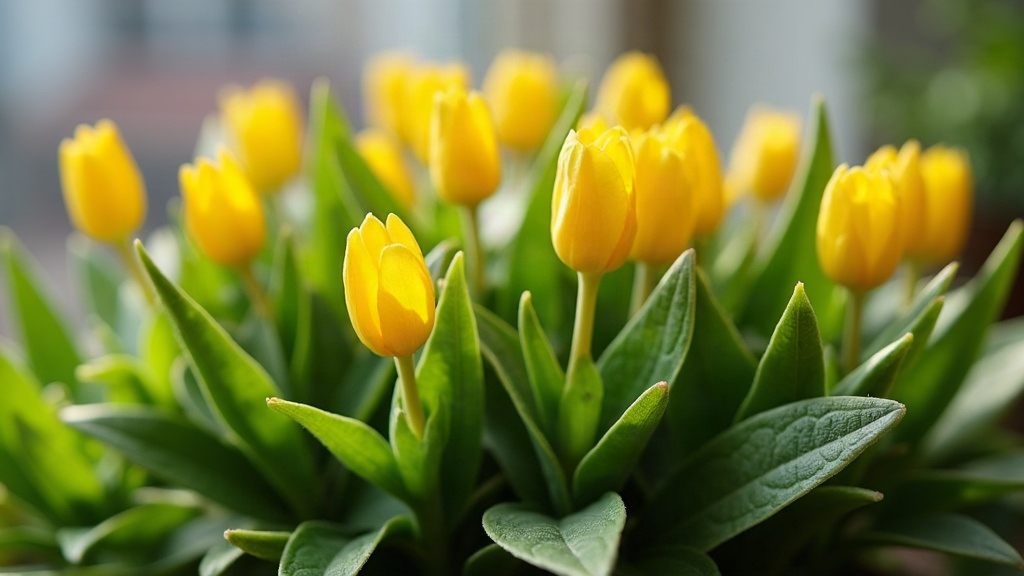
How to Fix Nitrogen Burn and Yellow Leaf Tips in Balcony Container Flowers
Nitrogen burn is one of the most common problems balcony gardeners run into, and happily, it is also one of the easiest to fix. Here is what happens: you overfeed your container flowers, excess fertilizer salts build up in the potting mix, and through osmosis those salts pull moisture straight out of the roots and scorch the foliage. The result is the classic picture you are looking at right now. Yellow leaf tips, then brown, then crispy edges, all on a plant that otherwise looks perfectly healthy.
The fix is refreshingly simple. Stop feeding, flush the soil, and ease back into a gentler routine.
What nitrogen burn looks like in container flowers
Before you treat anything, confirm it is actually fertilizer burn and not something else. Overfed balcony flowers such as petunias, geraniums, begonias, marigolds, and impatiens tend to show a very clear set of symptoms:
- Leaf tips turn yellow first, then dry into brown, crispy edges
- Older, lower leaves usually show damage before the new growth does
- Foliage takes on an unusually dark, bluish-green color just before the tips scorch
- Leaf tips may curl downward or inward, a pattern sometimes called “clawing”
- A white or crusty salt layer forms on the soil surface or along the pot rim
- Plants stall, drop buds, or stop flowering even though you are feeding heavily
If you spot the salt crust and the dark-green coloring together with yellowing tips, overfeeding is almost certainly your culprit.
Why balcony container flowers are so prone to overfeeding
Container plants on a balcony live under conditions that make nitrogen burn especially likely. It is worth understanding why, because the same habits that cause the problem will repeat it if you are not careful.
- Small soil volume holds few nutrients, so the gap between “enough” and “too much” is razor thin. A teaspoon too much fertilizer can tip a 1-liter pot over the edge.
- Wind and sun dry pots out quickly, which tempts you to feed every time you water. The plant looks thirsty, so you reach for the feed bottle.
- No open ground means excess salts cannot leach away. They simply accumulate, week after week.
- Balcony overhangs often block rain, which would naturally flush pots growing in open ground.
In short, the same pot that dries out fast also traps fertilizer salts. That is a perfect recipe for burned tips.
How to tell nitrogen burn apart from other problems
Yellow leaves have many causes, so match the pattern before you act. Treating the wrong problem wastes time and can make things worse.
- Nitrogen burn shows dark green leaves plus burnt yellow/brown tips and a salt crust.
- Underwatering wilts entire leaves and dries them out uniformly, not just the tips.
- Potassium deficiency shows yellow or brown along leaf margins and edges, not only at the tips.
- Sun scorch shows bleached patches on the sun-facing side of the plant.
When tips turn yellow while the rest of the leaf stays deep green and the growth looks soft and lush, treat for overfeeding first.
Step-by-step: correcting nitrogen burn in balcony pots
1. Stop fertilizing immediately
No fertilizer, compost tea, or “bloom booster” until the plant recovers. Every extra dose makes the salt problem worse, so put the bottle down now.
2. Flush the soil with plain water
Flushing is the single most effective fix you have. It dissolves the accumulated salts and washes them out the bottom of the pot.
- Move the pot somewhere water can drain freely, such as a balcony floor or a deep sink.
- Slowly pour room-temperature, chlorine-free water through the pot until it runs freely from the drainage holes.
- Use three to five times the pot’s volume. For a 1-liter pot, that means roughly 3 to 4 liters of water, and more for large planters.
- If a heavy crust is present, repeat the flush once more over the next two days.
Take your time with this step. Slow, steady pouring leaches far more salt than a fast dump.
3. Remove the worst-damaged leaves
Snip off fully brown, crispy leaves and tips with clean scissors. Partially green leaves can still photosynthesize, so leave them alone. Removing dead tissue stops the plant from wasting energy and keeps rot from setting in on the damaged edges.
4. Check drainage and empty saucers
Make sure the drainage holes are unblocked, and never leave pots standing in runoff water. That runoff is full of the very salts you just flushed out, and a plant sitting in it will soak them right back up.
5. Resume feeding at reduced strength
Wait until new growth looks healthy before you feed again. Then use quarter to half the label dose. For example, if a liquid flower feed recommends 10 ml per liter, start at 2.5 to 5 ml per liter instead. A balanced formula such as 5-5-5 or 10-10-10 works well for most flowering annuals.
Preventing a repeat
Once your flowers recover, keep them that way. Prevention here is mostly about restraint.
- Follow the label. More fertilizer never means more flowers, only more burn.
- Feed every 2 to 4 weeks, not at every watering, unless you are using a very dilute formula.
- Water until it drains each time and discard the runoff from saucers.
- Alternate plain water and fertilizer so salts never pile up in the first place.
- Choose slow-release granules or compost for a wider safety margin.
- Flush monthly with plain water during hot, dry weather.
- Use an EC/TDS meter if you mix your own nutrients, aiming for a gentle 1.0 to 1.5 EC for flowering annuals.
Conclusion
Correcting nitrogen burn and yellow leaf tips from overfeeding balcony container flowers comes down to three moves: stop feeding, flush the pot thoroughly with plain water, and restart at a much lower dose. Most container flowers bounce back within two to three weeks, pushing out clean green growth once the salt load is gone. From then on, feed lightly and water deeply. Your balcony blooms will reward you with steady, healthy flowering instead of scorched tips.