Saving Overwatered Succulents in Shallow Balcony Pots
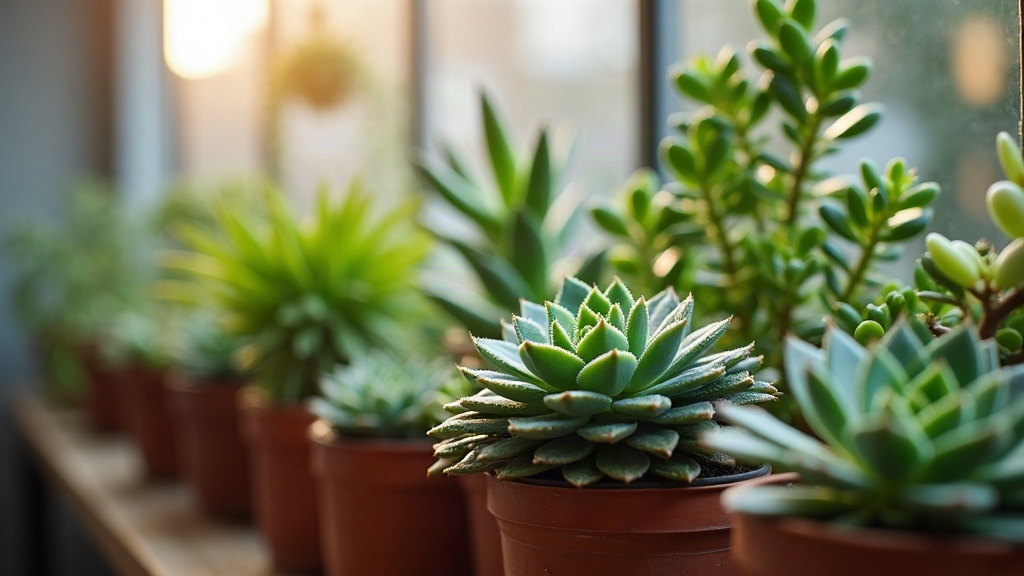
If your balcony succulents have gone mushy, see-through, or yellow after a run of humid days, you’re almost certainly dealing with overwatering, or at least excess moisture sitting where it shouldn’t. Shallow pots make this worse, since they trap water right near the roots with nowhere for it to go. The good news is that most succulents can still be saved if you catch it within the first few days. Here’s how to figure out what’s wrong, rescue what’s left, and stop it from happening again.
Why Shallow Pots Make Humidity So Dangerous
Shallow balcony pots are popular for good reason, they’re light and don’t take up much space. But there’s a catch: a small volume of soil dries out painfully slowly once humidity climbs past 60-70%. In a deep pot, excess water drains down and clears out from around the roots. In a shallow one, roots end up sitting in a thin, waterlogged layer for days on end. Throw in a stretch of overcast, humid weather, the kind you get in late summer or during monsoon season, and the soil may stay wet for a week or more even if you haven’t touched the watering can.
Signs Your Succulent Is Overwatered, Not Underwatered
Before you start treating anything, make sure you’ve got the diagnosis right. Overwatered succulents tend to show:
- Mushy, translucent leaves that feel soft or squishy, not just a bit wrinkled
- Leaves dropping the moment you touch them, usually starting from the base
- A sour or rotten smell rising off the soil or the base of the stem
- Black or brown soft patches on the stem, a telltale sign of stem rot
- Yellowing lower leaves that look puffy and swollen rather than shriveled
Compare that to underwatering, where leaves wrinkle up, shrivel, and feel thin and dry, but still hold their firmness.
Step-by-Step Rescue Plan
1. Remove the Plant From the Pot Immediately
Pull the succulent out gently and knock off all the wet soil clinging to the roots. Skip rinsing unless the soil smells rotten, in that case, run the roots under lukewarm water to wash away any fungal residue.
2. Inspect and Trim the Roots
Healthy roots are white or light tan and feel firm to the touch. Snip off anything brown, black, mushy, or hollow with clean, sharp scissors. If the base of the stem is also soft or discolored, cut above the rot line into solid green tissue, even if that means losing most of the root system in the process.
3. Let It Dry Out Completely
Set the succulent (plus any healthy cuttings you managed to save) on a dry paper towel somewhere shaded and breezy, not in direct sun, for 2 to 5 days. The cut edges need time to callus before you put them back in soil. Skip this step and you’re almost guaranteed to fail: fresh wounds sitting in damp soil will rot again within hours.
4. Repot in Fast-Draining Soil, and a Better Pot
Go with a cactus or succulent mix boosted with extra perlite or pumice, roughly half mineral material is a good target. If you’re sticking with a shallow pot:
- Pick one with large, unobstructed drainage holes
- Layer coarse grit at the bottom instead of regular pebbles (pebbles don’t actually help drainage, they just raise the waterline inside the pot)
- Think about moving up to something slightly deeper, 4 to 5 inches at least, to buffer against humidity swings
5. Hold Off on Watering
Give it at least a week after repotting before you water again, longer if the air is still thick with humidity. Only water once the soil is bone dry at least an inch down, check with a finger or a moisture meter.
Preventing the Problem During Humid Stretches
- Move pots under cover whenever rain or heavy humidity settles in for several days
- Use a moisture meter rather than watering on a fixed schedule
- Set up a fan or boost airflow on the balcony to help the soil dry faster
- Top-dress with coarse sand or grit to cut down on surface moisture
- Switch your riskiest succulents (Echeveria, Sedum, that sort) into deeper, better-draining pots before the next humid season rolls around
When It’s Too Late to Save the Whole Plant
If the whole rosette has collapsed and the stem’s rotted clean through, don’t throw it out just yet, check for any firm, healthy leaves up top. A lot of succulents, Echeveria and Sedum especially, will propagate happily from a single good leaf or a cutting taken above the rot. Lay the leaf flat on dry soil in indirect light, and within 2 to 4 weeks you’ll typically see tiny roots appear, followed by a baby rosette.
Conclusion
An overwatered succulent in a shallow balcony pot is usually a drainage and timing issue, not a death sentence. Move quickly: pull the plant, cut away the rot, let it dry, and repot in soil that actually drains. Do that and you’ll save most of them. Combine it with smarter pot choices and a closer eye on humidity, and your balcony succulents will ride out the next wet spell with far less drama.