Growing Cut-and-Come-Again Salad Greens in Window Boxes for Winter
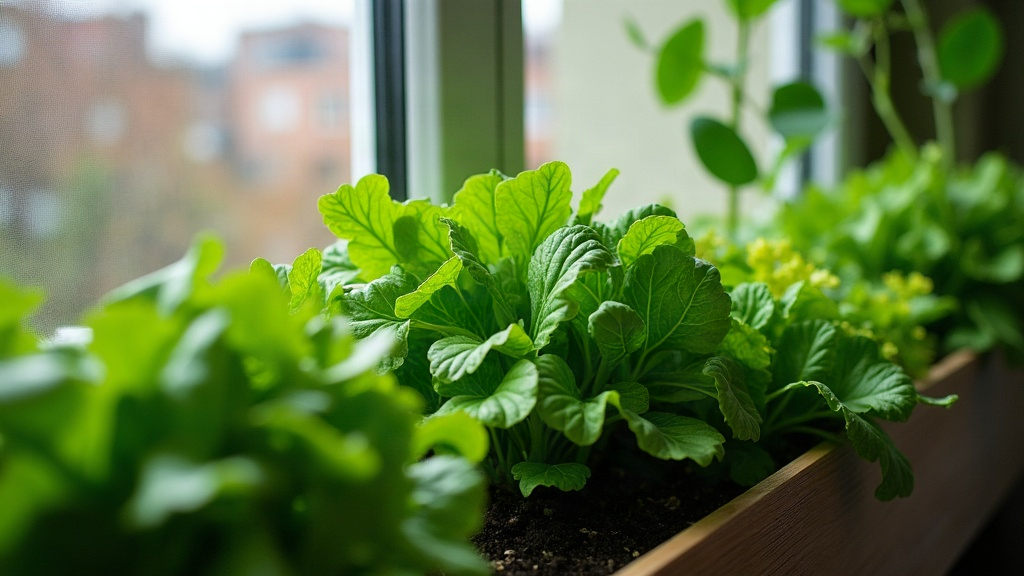
Growing Winter Salad Greens in Window Boxes
Growing cut-and-come-again salad greens in window boxes might be the simplest way to keep fresh, crisp salads on the table all winter, no garden, no greenhouse, no grow lights required. Pick cold-tolerant varieties, sow in batches a couple of weeks apart, and harvest with scissors instead of yanking whole plants out by the roots. Do that, and a single window box will keep churning out tender leaves for weeks, sometimes months.
Why Window Boxes Work So Well for Winter Salads
Window boxes sit right up against the glass, so they soak up radiant heat leaking out of the room and grab whatever sunlight makes it through the pane. They’re shallow, light enough to shift around, drain fine once you set them up properly, and barely take up any floor space. If you’re in an apartment, working with a balcony, or just don’t have outdoor beds, this is often the only real option for growing anything once the cold sets in.
Here’s the thing that makes it work: cut-and-come-again greens get harvested young, and repeatedly, so they never need deep soil or a long growing season. A box that’s just 15-20 cm deep is plenty for most varieties to give you several rounds of harvest before you need to reseed.
Best Greens for Winter Window Boxes
Not every salad crop shrugs off cool, dim winter light. Stick with the ones that actually perform:
- Mizuna – grows fast, has a mild peppery bite, shrugs off cold
- Baby spinach – gets sweeter in cool temps, bounces back quickly after you cut it
- Arugula (rocket) – germinates fine in cool soil, regrows within 10-14 days
- Mustard greens (mild varieties) – bring color and a bit of spice, handle low light without complaint
- Loose-leaf lettuce mixes – the ones sold as “mesclun” or “salad bowl” blends
- Claytonia (winter purslane) – succulent, mild, actually prefers cold, dim conditions
- Corn salad (mâche) – about as hardy as it gets, perfect for an unheated windowsill
Skip anything that wants heat, like basil, or heading lettuces that need more room and warmth than a window box can give.
Setting Up the Window Box
- Pick a container with drainage holes. In winter, soil dries out slower, so waterlogged roots rot fast if there’s nowhere for excess water to go.
- Use a light, well-draining potting mix, never garden soil. It compacts hard once it’s stuck in a container.
- Top it off with a thin layer of compost or worm castings, just the top inch or so, enough for a nutrient boost without overdoing it.
- Set it on a south- or west-facing window if you’ve got one. East-facing still works fine for shade-tolerant crops like mâche and claytonia.
- Let it run a little cooler at night if you can manage it. Mizuna and spinach genuinely taste sweeter and hold their texture better with a bit of a day-night temperature swing.
Sowing and Harvesting Technique
Sow thick, either in rows or scattered across the surface, then cover with a thin dusting of soil, about 0.5 cm. Don’t bother thinning unless things are absurdly crowded. Cut-and-come-again crops actually like density since you’re taking leaves, not whole heads.
Once seedlings hit 7-10 cm, start cutting:
- Use scissors, snipping leaves 2-3 cm above the soil line.
- Never cut below the growing crown. That’s the part that lets the plant regrow.
- Take only a third to half the box at a time, rotating which section you harvest so something’s always coming back.
Most varieties will give you 3-5 rounds of cutting before they tire out. When that happens, scatter fresh seed right into the same box. Keep this rolling succession going and you’ll have salad through December, January, and February without a gap.
Managing Light and Watering in Winter
Light is the real bottleneck in winter, more than temperature. Under 4-5 hours of direct or bright indirect light and growth will crawl, though mâche and claytonia manage on far less without much fuss. If your window just doesn’t get enough sun, a cheap LED grow light on a timer, 10-12 hours a day, will speed things up noticeably.
Water less than you would in summer. Check the top 2 cm of soil and only water once it’s actually dry. Overwatering is, hands down, the number one killer of winter window boxes, since cool air and low evaporation mean water just sits there and invites damping-off and root rot.
Common Problems and Fixes
- Leggy, pale seedlings → not enough light. Move the box closer to the glass or bring in a grow light.
- Slow regrowth after cutting → soil’s run out of nutrients. Feed lightly with diluted liquid fertilizer every 2-3 weeks.
- Mold or damping-off → get more airflow going, ease up on watering, thin out crowded seedlings.
- Frozen soil on an unheated sill → bring the box inside overnight, or wrap it with some insulation.
Conclusion
A window box full of cut-and-come-again greens can turn a blank sill into a tiny, working winter garden. Pick cold-hardy varieties, keep an eye on watering, and stick to a scissors-only harvest, and you’ll be pulling fresh salad off that windowsill straight through the darkest months, no outdoor bed, no greenhouse, none of it needed.