Building a Mini Cold Frame for North-Facing Balcony Winter Greens
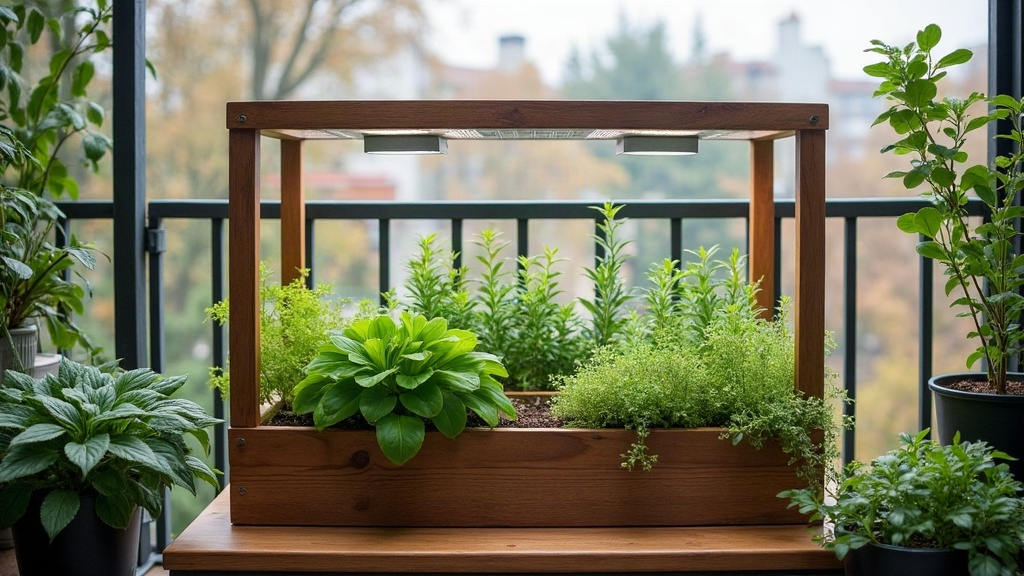
A mini cold frame is basically a small insulated box with a clear lid, something that traps warmth and keeps wind and frost off your plants. On a north-facing balcony, where light is weak and cold drafts creep in from every angle, this little box might be the single most useful thing you build all winter. Get the design and placement right, and you can pull spinach, mâche, mizuna, and hardy lettuces off that balcony well into December, then start the whole cycle again in February.
Why North-Facing Balconies Are Tricky (But Not Impossible)
North-facing balconies, at least in the Northern Hemisphere, only ever see indirect, diffused light. Oddly enough, that’s not the handicap people assume it is. Most leafy greens are shade-tolerant anyway, and plenty of them scorch or bolt the moment summer sun hits them directly. The actual winter problems are different:
- Lower overall light intensity, which slows growth down
- Colder ambient air, because there’s no direct sun to warm things up
- Wind exposure, which dries soil out fast and stresses the plants
A cold frame knocks out two of those three issues right away. It blocks wind completely and traps whatever light does show up, which can raise the internal temperature by 5–15°F (3–8°C) over the open air outside. That’s often the difference between frozen mush and a living plant through most frost events.
What You’ll Need
- A sturdy plastic storage bin, a wooden crate, or an old window frame with glass or polycarbonate
- A clear or translucent lid: an old window, a sheet of greenhouse polycarbonate, or heavy-duty clear plastic stapled onto a wood frame
- Weatherproof hinges (nice to have, makes venting much easier)
- Insulating material: foam board, bubble wrap, or straw
- A thermometer, ideally a simple outdoor min/max one so you know how cold it actually got overnight
- Potting mix suited for leafy greens: light, well-draining, but still moisture-retentive
Step-by-Step: Building the Frame
1. Choose the Base
A plastic tote in the 18 to 24 inch range works great. It’s light, already weatherproof, and the walls are built in. Drill or cut drainage holes in the bottom if you’re planting straight into it; otherwise just use it as a shell for smaller pots.
2. Build or Attach the Lid
The lid is really the whole project. It has to do three things at once:
- Let light through (clear acrylic, polycarbonate, even a salvaged window pane)
- Seal well enough to actually hold warmth in
- Open easily on milder days, since humidity buildup can rot your plants faster than cold ever would
Two cheap hinges on one side solve this. Prop it open like a car hood when you need airflow.
3. Insulate the Sides
Line the inner walls with foam board or bubble wrap, but leave the top clear, obviously. This one step alone can add several extra degrees of retained heat overnight, which happens to be the riskiest stretch for your plants.
4. Position It Correctly
On a north-facing balcony, placement matters more than people think:
- Push it against the building wall. Indoor radiant heat bleeds through and helps more than you’d expect.
- Tilt the lid slightly if you can, angling it toward whatever ambient light is available.
- Keep it out of wind corridors. Balcony railings act like funnels for cold gusts, so test a few spots before committing.
Best Winter Greens for Low-Light Cold Frames
Not every green is cut out for reduced light. Stick with varieties that are already proven in cold, dim conditions:
- Mâche (corn salad), brutally cold-hardy, happy in low light, and actually sweeter after a frost
- Spinach (‘Winter Bloomsdale’ or similar), handles cold and shade equally well
- Mizuna and tatsoi, fast Asian greens that don’t mind dim winter days
- Arugula, keeps growing even when daylight hours are short
- Claytonia (miner’s lettuce), underrated, but one of the best shade performers out there
Skip heading lettuces and anything labeled “full sun.” They’ll just come out leggy and weak.
Managing Temperature and Moisture
- Venting: Once it’s above 45°F (7°C) outside, crack the lid an inch. Otherwise you risk overheating and fungal problems building up fast.
- Watering: Water less than instinct tells you to. Cold, low light means slow transpiration, so check the soil every few days instead of daily.
- Frost nights: Below 20°F (-6°C), throw an old blanket or towel over the closed lid for extra insulation, then pull it off first thing in the morning.
Common Mistakes to Avoid
- Sealing the frame shut with zero ventilation (that’s a fast track to mold and rot)
- Using thick, opaque lid material that blocks too much of the already limited light
- Overwatering when growth has slowed down in the cold
- Letting snow or ice pile up against the lid, which blocks light entirely until you clear it
Conclusion
A mini cold frame can turn a cold, shaded, north-facing balcony into an actual productive growing space instead of a dead zone for six months. All it takes is a simple insulated box, a clear and ventable lid, and a handful of shade-tolerant greens like mâche, spinach, and mizuna. No greenhouse, no full-sun exposure, just fresh, nutrient-dense leaves pulled off your own balcony straight through the coldest stretch of the year.