Growing Claytonia Corn Salad in Balcony Pots for Winter Harvest
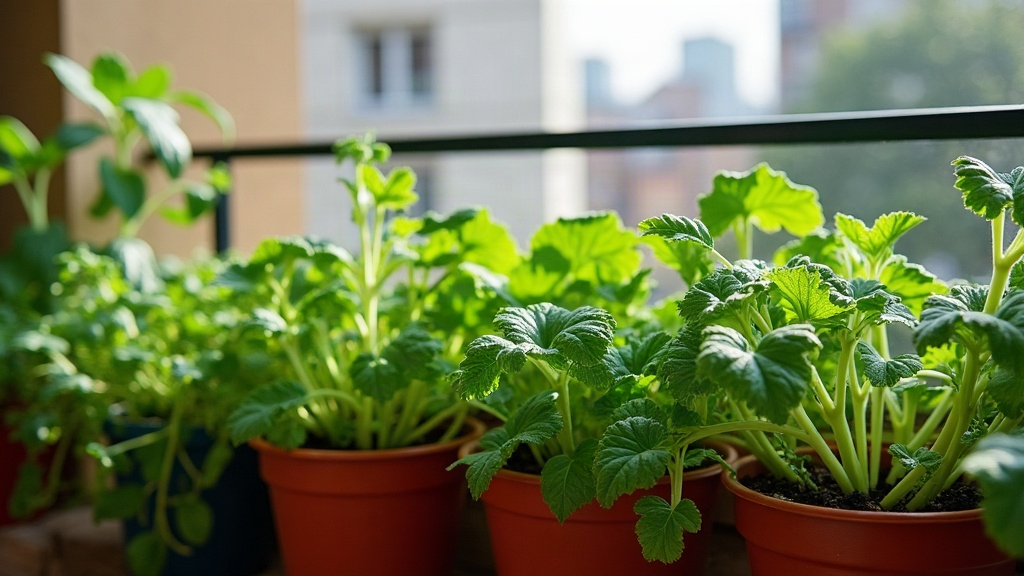
If you think balcony gardening grinds to a halt the moment the mercury drops, claytonia (corn salad, also known as miner’s lettuce) is about to prove you wrong. This delicate-looking but surprisingly tough green keeps producing in container pots right through the darkest, coldest stretch of winter, handing patient growers fresh, crisp salad leaves at a time when pretty much everything else has given up. Here’s how to actually pull off a deep-winter harvest on a balcony.
Why Claytonia Is the Perfect Winter Balcony Crop
Claytonia (Claytonia perfoliata), sold under names like corn salad or miner’s lettuce, is one of the rare leafy greens that gets better after a frost hits it. Cold weather converts the plant’s starches into sugars, so the leaves end up mild, a bit sweet, with a faint nutty edge. Lettuce and spinach would sulk or die at these temperatures, but claytonia shrugs off cold down to around 15°F (-9°C) when it has a bit of insulation. For balcony growers in temperate or cold climates, that’s a real gift. No heated greenhouse required.
A few reasons it’s such a good fit for pots:
- Shallow root system, so even a 6-inch-deep container will do
- Bolts slowly in cool weather, meaning it’ll sit happily in the pot for weeks without rushing to seed
- Bounces back after cut-and-come-again harvesting
- Handles low light far better than most salad greens
Choosing the Right Pot and Soil
Pot size: Go for something at least 8-10 inches deep and wide. Wide, shallow trough-style planters actually suit claytonia better than deep pots, since its roots spread sideways rather than dig down.
Drainage: Multiple drainage holes, non-negotiable. Soggy soil plus freezing nights is basically a recipe for root rot, and it’ll take your whole crop down with it.
Soil mix: Aim for something loose and moisture-retentive, but not swampy:
- 40% quality potting soil
- 30% compost or worm castings
- 20% perlite or coarse sand
- 10% coconut coir for moisture retention
Claytonia grew up, in nature, in damp, humus-rich woodland soil, so skip the sandy, fast-draining blends that dry out in a day. That’s the wrong environment for it entirely.
When and How to Sow for Deep Winter Harvest
If you want greens on your plate from December through February (for most Northern Hemisphere climates), timing matters more than almost anything else here.
- First sowing: Late August to mid-September, while the soil still holds enough warmth for germination (ideal range: 50-68°F / 10-20°C).
- Succession sowing: Repeat every 2-3 weeks through October so you’re not stuck with one single harvest window.
- Seed depth: Just ¼ inch deep, spaced 2 inches apart, then thinned to 4 inches once seedlings get going.
- Germination time: 7-14 days, depending on how warm things are.
Live somewhere that gets hard freezes before your plants have a chance to establish? Start seeds indoors on a bright windowsill 4-5 weeks before your planned balcony sowing date, then move seedlings out once they’ve grown 2-3 true leaves.
Protecting Pots Through the Cold Months
Here’s the thing about balcony pots: they lose heat on all sides, unlike an in-ground bed that’s insulated by the earth around it. A few low-effort tricks go a long way:
- Mini cloches or cold frames: Even a clear plastic tote or dome set over the pot traps warmth and cuts the wind.
- Fleece or frost cloth: Drape a lightweight row cover over the pots on nights dipping below 20°F (-6°C), clipping the edges down so it doesn’t blow off.
- Insulate the pot itself: Bubble wrap, burlap, even an old blanket wrapped around the container protects the roots from freeze-thaw cycles, which honestly do more damage than the cold alone.
- Cluster pots together against a wall. They’ll share warmth and block wind for each other.
- Pick a sheltered corner of the balcony, one that still catches a few hours of winter sun but isn’t in the direct path of the wind.
Watering and Light Needs
Winter claytonia drinks a lot less than summer claytonia. Check the soil every few days instead of daily, and only water once the top inch feels dry. Water in the morning, always, so there’s no excess moisture sitting around to freeze overnight.
Light tends to be the real bottleneck in winter. Claytonia handles partial shade better than most salad greens, sure, but it still wants 4-6 hours of direct sun if you can give it. South or southeast-facing balconies are your best bet. Stuck with a heavily shaded spot? A small clip-on grow light can stretch out the usable daylight hours quite a bit.
Harvesting Tips
Once a plant has 5-6 leaves (usually 6-8 weeks after sowing), you’re good to start harvesting. Stick to cut-and-come-again: snip the outer leaves with scissors and leave the central growing point alone so the plant keeps pushing out new growth. One pot, treated this way, can give you multiple harvests spread across 2-3 months.
Conclusion
Claytonia in a balcony pot is proof that winter gardening doesn’t have to mean staring at an empty harvest basket until spring. Get the pot setup right, sow at the right time, and add a bit of cold protection, and you’ll be pulling fresh, sweet, nutrient-packed salad greens off your balcony all through the coldest months. No greenhouse needed, just a bit of planning.