Beginner vs Advanced: Watering Hanging Baskets Without Drips
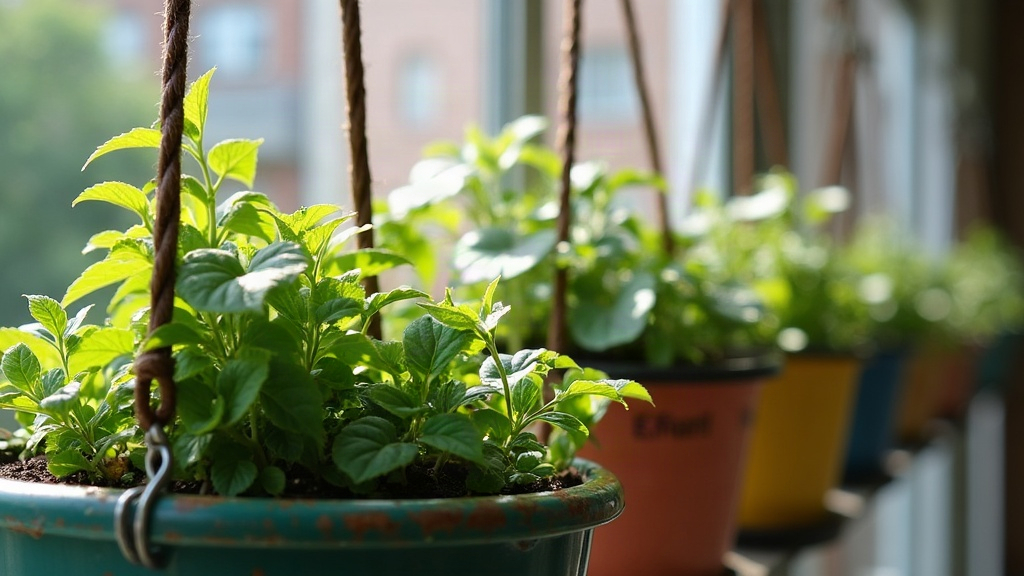
If you’ve ever gotten an earful from a downstairs neighbor because muddy water splattered all over their patio furniture, you already know: watering hanging baskets is way harder than it looks. The good news? Whether you’re brand new to balcony gardening or you’ve been doing it for years, there are real, tested fixes out there. Some are dead simple, like swapping in a better saucer. Others get more technical, like setting up a capillary system. Either way, you can keep your plants happy without sending a single drop onto the balcony below.
Why Hanging Baskets Drip in the First Place
There are really only three culprits behind the drip:
- Overwatering. You’re pouring water in faster than the soil can soak it up, so the excess just runs straight through the drainage holes.
- Poor drainage design. No saucer, no liner, nothing to catch the runoff. Water passes right through.
- Compacted or hydrophobic soil. Dry, crusted potting mix doesn’t absorb water the way it should. Instead it beads up, slides off the sides, and exits out the bottom.
Once you know which one’s causing your problem, the fix gets a lot easier to pick. No more guessing.
Beginner Techniques (Simple, Low-Cost Fixes)
If you’re new to balcony gardening, or you live in a building where every drip counts, start here.
1. Add a Built-In Saucer or Drip Tray
This is the easiest fix there is. Clip a saucer or drip tray right under the basket. A lot of newer hanging baskets already come with a built-in reservoir tray, but if yours doesn’t, a clip-on plastic saucer usually runs just a few bucks and catches the runoff instantly.
2. Water in Smaller, Slower Amounts
Skip the one big dump of water. Split it into two or three smaller rounds instead, with a few minutes in between each. That pause gives the soil time to actually absorb the moisture instead of just letting it flow straight through, and it cuts runoff dramatically.
3. Check Soil Moisture First
Before you even pick up the watering can, stick a finger about an inch into the soil. Still damp? Skip it for now. Overwatering is hands-down the most common beginner mistake, and it’s the number one reason for drips in the first place.
4. Water in the Morning
Water in the morning and the excess moisture has all day to evaporate. Water in the evening, and that same moisture just sits there, pooling quietly until it drips hours later, right when nobody’s around to notice (or mop it up).
Advanced Techniques (For Serious Balcony Gardeners)
Got the basics down? These next methods pretty much kill the drip problem entirely, and your plants will thank you too.
1. Self-Watering Inserts or Reservoirs
A lot of serious gardeners retrofit their baskets with self-watering reservoirs: a water-storage layer at the bottom, paired with a wick that pulls moisture up as the plant needs it. Instead of watering every single day, you’re filling the reservoir once every few days, and there’s no sudden overflow to worry about.
2. Capillary Matting Systems
If your baskets sit on a rail or shelf, a capillary mat underneath absorbs and spreads out any excess moisture evenly, so you never get one concentrated drip point. You’ll see this a lot in balcony “green wall” setups.
3. Drip Irrigation with Timers
A micro-drip kit paired with a battery-powered timer delivers a slow, controlled trickle straight to the soil surface, usually around 100-200ml per basket per session. Since the flow is that precisely controlled, runoff is basically nonexistent, and you can set it to water your plants automatically while you’re away on vacation.
4. Amend Soil with Water-Retentive Additives
Mix in some perlite, coco coir, or water-retaining polymer crystals and the soil holds moisture far more evenly. That means fewer watering sessions overall, and a much lower chance of sudden saturation (and the runoff that comes with it).
5. Reposition for Wind and Angle Control
Don’t overlook the angle. A basket that gets tilted by wind can funnel all the water toward one edge, creating a single drip point right where you don’t want it. A double-swivel hook keeps things level even when it’s breezy out.
Quick Comparison Table
| Technique | Skill Level | Cost | Drip Prevention |
|---|---|---|---|
| Drip tray/saucer | Beginner | Low | Good |
| Slow, split watering | Beginner | Free | Good |
| Self-watering reservoir | Advanced | Medium | Excellent |
| Capillary matting | Advanced | Medium | Excellent |
| Drip irrigation + timer | Advanced | Higher | Excellent |
Final Tips for Balcony Harmony
- Test any new watering method on a dry day first, before you fully trust it.
- Got an east- or south-facing balcony that bakes in the sun and dries out fast? Go with lower-water plants like succulents or lavender.
- Talk to your neighbors. A quick “hey, I water around 8am” message goes a surprisingly long way.
Conclusion
You don’t need fancy equipment to water a hanging basket without dripping onto the balcony below, you just need the right technique for where you’re at. Beginners can start small: a saucer, smaller watering amounts, a bit of mindful timing. Advanced gardeners can level up with self-watering systems, capillary mats, or a drip irrigation setup for near-perfect control. Either way, a little bit of planning keeps your plants lush and keeps your downstairs neighbor dry.