Beginner vs Advanced Basil Pruning Techniques for Bushy Growth
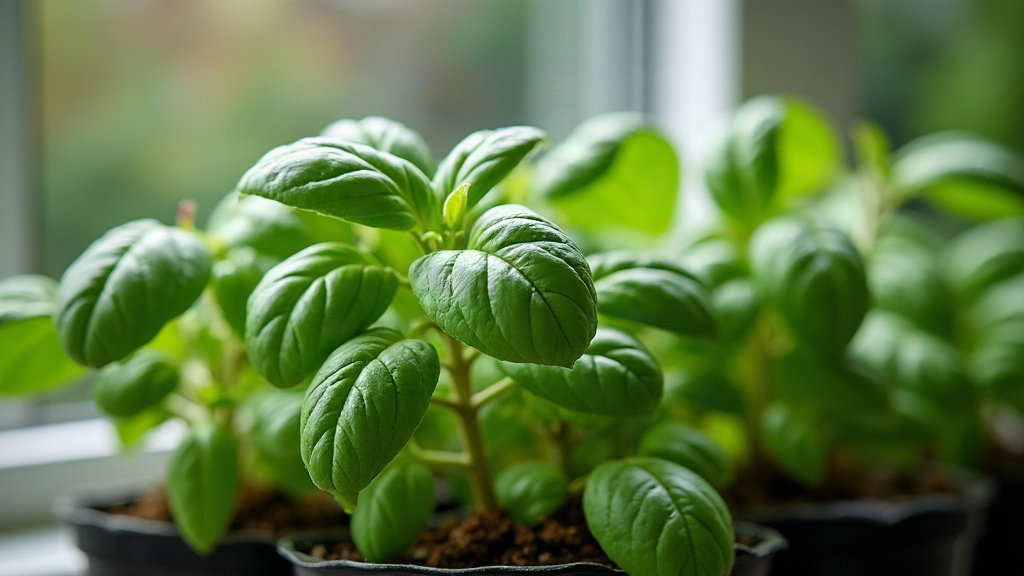
How to Prune Basil: Beginner Pinching vs. Advanced Topping Methods
If you want a basil plant that stays bushy, keeps producing, and doesn’t rush to flower the second summer heats up, pruning technique matters more than almost anything else you do. Most beginners just snip a few top leaves whenever a recipe calls for them. Advanced growers do something different: they use strategic cuts to multiply stems, push back bolting, and pull two or three times the harvest out of the exact same pot. This guide walks through both approaches so you can move from basic trimming to real shaping.
Why Pruning Changes Everything for Container Basil
Basil grows in an opposite-leaf pattern, which means every time you cut above a node, two new stems push out in its place. Left alone, a basil plant funnels all its energy into one central stalk. That stalk gets tall and leggy fast, then flowers almost on schedule. In a container, where root space and nutrients are already limited, that’s a waste of the plant’s potential. Pruning correctly redirects energy sideways instead of upward, building a dense, rounded shape with a lot more leaf surface to harvest from.
Beginner Technique: Basic Pinching
For new gardeners, the goal is simple: get leaves for the kitchen without wrecking the plant’s growth pattern.
- Wait until the plant has at least 6 true leaves before you cut anything.
- Pinch just above a leaf node, never in the middle of a bare stem.
- Cut right above a pair of leaves, not below it, so the plant has a starting point to branch from.
- Use clean fingers or small scissors. Bruised stems are an open door for rot in humid container soil.
- Take no more than a third of the plant at a time. Anything more and you risk shocking it.
This keeps the plant alive and gives you leaves, but it doesn’t push branching very far. Most beginners never go further than this, and honestly, that’s fine for occasional kitchen use. It just leaves a lot of yield sitting on the table.
Common Beginner Mistakes
- Plucking single leaves off the top instead of cutting the stem itself.
- Letting the plant flower before harvesting it (flowering turns the leaves bitter, fast).
- Cutting too low and stripping away every leaf node, which stalls regrowth for weeks.
Advanced Technique: Strategic Topping and Succession Pruning
Experienced growers stop thinking of basil as an herb you snip and start treating it like a small shrub you train. The core method here is called topping, and the earlier you start, the better it works.
Step-by-Step Advanced Pruning
- Top the plant at 4-6 inches tall, cutting just above the second or third node. This forces two new stems right away instead of one tall, single stalk.
- Repeat topping every 2-3 weeks on each new branch once it hits 4-6 inches. The effect compounds: 4 stems become 8, then 16, almost like interest on a savings account.
- Remove flower buds the second you spot them, cutting back to the nearest leaf pair. Flowering is basically a signal to the plant to shut down leaf production, so experienced growers treat a bud as something to deal with that day, not next weekend.
- Thin out crowded inner growth now and then to improve airflow. This matters a lot in containers, where humidity pools around dense foliage and invites fungal problems like downy mildew.
- Rotate your cutting points around the plant instead of always trimming the same side. In a pot that gets light mostly from one direction (a window, a wall), this keeps the canopy from growing lopsided.
Container-Specific Advanced Tips
- Use a pot at least 10-12 inches wide for multi-branch basil. Cramped roots can only support so much top growth, no matter how well you prune.
- Feed with a diluted balanced fertilizer every 2 weeks while the plant is actively branching. Heavy pruning drives up nutrient demand, and the plant will tell you if it’s falling behind.
- Indoors, give the pot a quarter turn every few days so new growth after a cut comes in even instead of leaning hard toward the light.
Beginner vs Advanced: Side-by-Side Results
| Factor | Beginner Pinching | Advanced Topping |
|---|---|---|
| Stem count after 8 weeks | 2-4 | 10-16 |
| Bolting risk | Moderate-high | Low |
| Leaf yield | Steady, modest | Significantly higher |
| Time investment | Minimal | 10 minutes weekly |
When to Use Each Method
Growing one basil plant on a windowsill for the occasional garnish? Beginner pinching does the job just fine, no need to overthink it. But if you’re trying to keep a kitchen stocked, batch-make pesto every couple of weeks, or keep a container plant going strong from spring into fall, advanced topping starts paying off within a month. Ten minutes a week is a small price for double or triple the harvest.
Conclusion
The gap between a leggy, flower-happy basil plant and a dense, productive one almost always comes down to pruning habits, nothing more exotic than that. Beginners can harvest safely with simple node-based pinching. Advanced growers who top early, stick to a schedule, and cut off flower buds the moment they appear will consistently end up with bushier plants and much bigger harvests from the exact same container. Start with the basics. Once you see how much more your basil can actually give, graduating to strategic topping is an easy call.