Beginner vs Advanced: Dividing Container Chives and Oregano
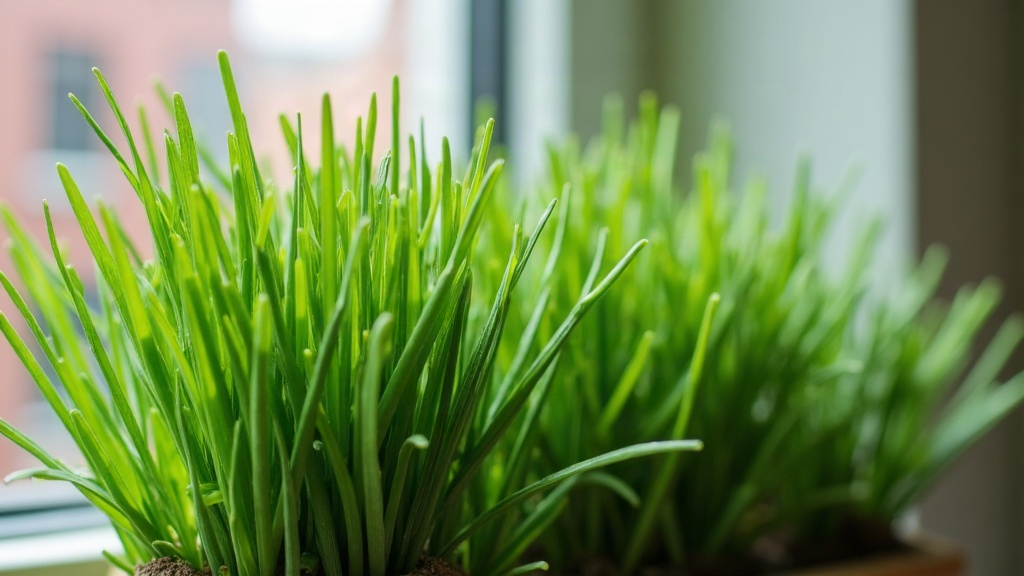
Dividing container-grown chives and oregano in spring is one of those small gardening chores that pays off way out of proportion to the effort involved. Ten minutes with a crowded pot, and you’ve rejuvenated a tired plant, boosted flavor, and walked away with a free new one for another corner of the balcony. Whether you’ve got a single pot of chives on the windowsill or you’re juggling a dozen herb containers on a patio, the goal is the same: break the root mass into healthy chunks before spring growth really takes off. Below are two approaches, a quick one and a more deliberate one, so you can pick whichever matches your patience level and setup.
Why Spring Division Matters
Chives and oregano are perennials. Oregano spreads through underground rhizomes, chives through bulb clusters. Leave either in the same pot for a year or two and they get root-bound, which shows up as:
- Smaller, woodier stems
- Flavor that just isn’t as sharp as it used to be
- Dense clumps that die out in the middle while the edges keep growing
- Poor drainage, because the roots have packed the soil solid
Divide in early-to-mid spring, right as new shoots are pushing up, and the separated pieces get a full season to settle in before the cold comes back.
Beginner Method: Simple Pull-and-Replant
No tools needed here, really. About 10 minutes per plant.
Steps:
- Water the container the day before. Moist soil comes apart more easily and you won’t tear up the roots as much.
- Tip the pot sideways and slide the whole root ball out gently.
- Pull the clump apart by hand into 2 to 4 sections. Chives usually show you natural bulb clusters. Oregano will split where the roots want to split, not where you want them to.
- Trim off anything dead or mushy with clean scissors.
- Repot right away in fresh potting mix, water it in well, and keep it in partial shade for 3 to 4 days before moving back to full sun.
This works fine for pots under about 12 inches, and honestly, both herbs are forgiving. A rough cut or a slightly bruised root won’t kill them.
Advanced Method: Precision Division for Maximum Yield
If you’re working with bigger containers, or you’re deliberately propagating to fill out several pots, it’s worth slowing down. A more careful cut means more usable divisions and less shock to the plant.
Steps:
- Check the root structure before you pull anything out. Brush away the top layer of soil so you can see how dense the clump actually is. This tells you where to cut before you commit.
- Use a sharp, sterilized knife rather than tearing by hand. Clean cuts mean less damaged tissue, and that matters a lot with oregano’s tougher, woody crowns.
- Cut into smaller, even sections, each with 3 to 5 shoots and some visible root, instead of two or three big chunks. You’ll end up with more plants, and each one tends to grow back more vigorously.
- Dust the cut surfaces with cinnamon if you’re dividing oregano’s thicker rhizomes. It’s a natural antifungal and helps prevent rot in soil that’s still cool this early in the season.
- Stagger your replanting by about a week between batches if you’re splitting a lot of divisions at once. That way, if one batch shows transplant stress, you catch it before it wipes out everything.
- Mix perlite into the new potting soil, around 20%, for oregano, since it wants sharp drainage. Chives, on the other hand, do better in a richer mix that holds a bit more moisture.
Serious growers often label each pot with the split date and the parent plant. Sounds like overkill until you’re managing six or seven varieties and can’t remember which batch struggled last time.
Common Mistakes to Avoid
- Dividing too early, before any new shoots show up. The plant simply hasn’t stored enough energy yet.
- Skipping the trim and leaving torn or damaged roots in the mix, which basically invites rot.
- Overwatering right after dividing. Keep the soil moist, not wet, for the first couple of weeks.
- Potting the new divisions into containers that are too small, which just sets the root-bound cycle running again, only faster this time.
Which Method Should You Choose?
Got one or two pots and just want results? Go with the pull-and-replant method. Chives and oregano are tough, they’ll bounce back either way. But if you’re building out a bigger herb collection, giving plants away, or just want the strongest possible regrowth, the precision method is worth the extra 15 to 20 minutes per plant.
Conclusion
Either method gets you to the same place: healthier, more productive chives and oregano. Start simple if herb gardening is new to you, and move to the more careful approach once your container collection grows past a handful of pots. Spring division costs almost nothing and pays back all season, which is about as good a deal as gardening offers.